 EN
EN
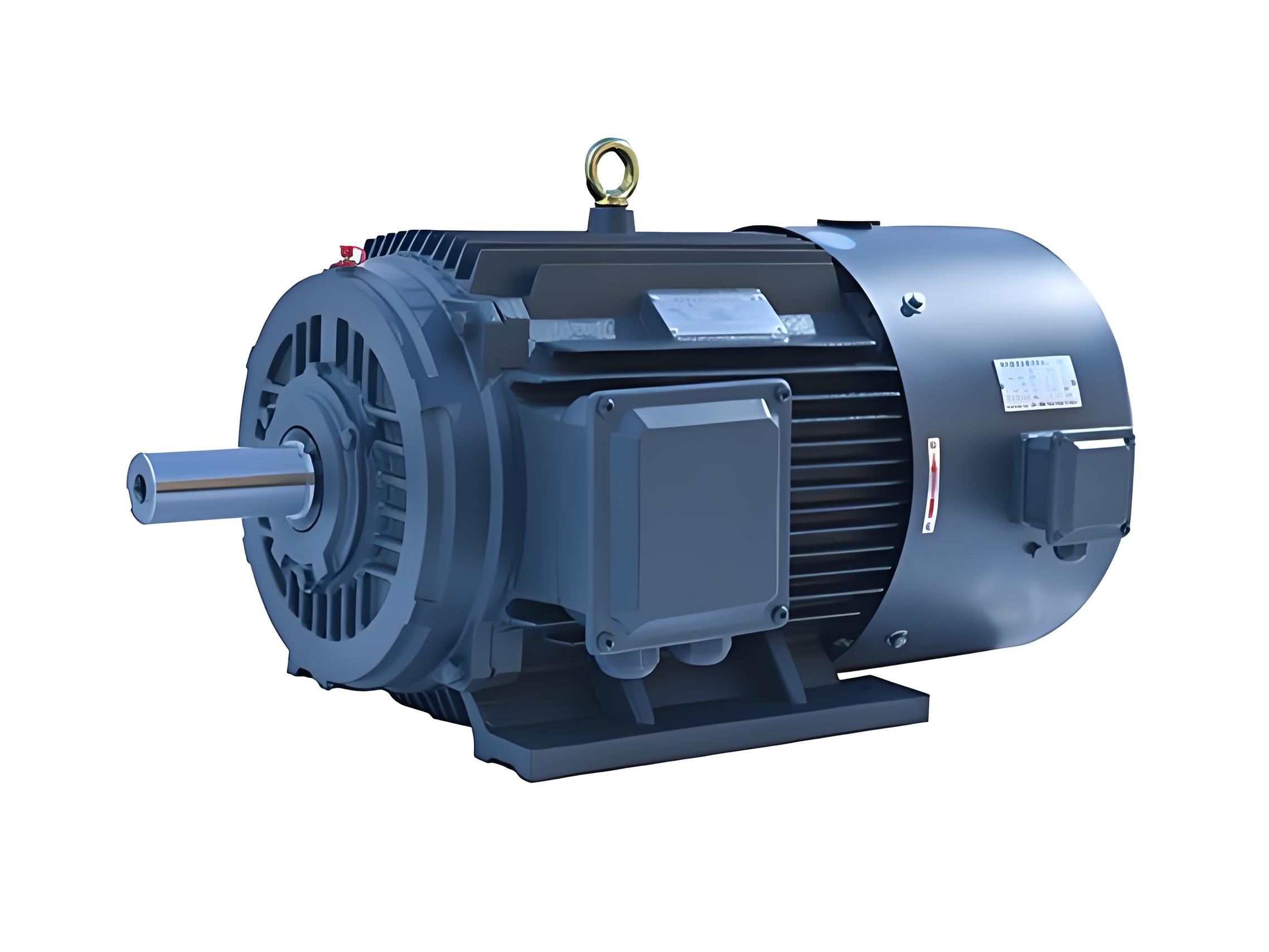
Core Selection Criteria: Torque, Ratio, Speed, and Service Factor
Selecting the right reduction gearbox requires evaluating torque capacity, gear ratio, input/output speed alignment, and service factor—four interdependent criteria that collectively determine reliability, efficiency, and service life.
Matching Torque Capacity to Load Type (Uniform, Non-Uniform, Shock)
Torque capacity must align with load dynamics. Uniform loads—such as those in conveyor systems—apply steady force, permitting use of standard rated gearboxes. Non-uniform loads, like those in crushers or extruders, involve cyclical variations and typically require 15–20% higher torque capacity to avoid premature wear. Shock loads—common in stamping presses or impact hammers—demand the most conservative sizing: a service factor of 2.0 or greater is often necessary to absorb transient peaks. According to industry failure analysis, mismatched torque capacity accounts for approximately 30% of avoidable gearbox failures in industrial settings.
Gear Ratio, Input/Output Speed Alignment, and Backlash Tolerance
Gear ratio defines the proportional relationship between input and output speed—and inversely, torque. A 10:1 ratio reduces output speed by 90% while increasing torque tenfold. Precise speed alignment ensures optimal motor coupling and minimizes thermal stress on bearings and seals. Backlash—the angular clearance between meshing teeth—must be selected based on application precision needs: robotics and CNC axes demand low backlash (<5 arc-min), whereas general-purpose conveyors tolerate higher values. While tighter backlash improves positioning accuracy, it also raises cost and sensitivity to misalignment and thermal expansion.
Service Factor Derating for Intermittent, Cyclical, or Peak Loads
Service factor (SF) is a multiplier applied to nominal torque ratings to accommodate real-world operational stresses. Intermittent loads—like elevator hoists—typically require SF = 1.25. Cyclical applications such as mixers or agitators benefit from SF = 1.5 due to frequent starts/stops and torque reversals. Heavy-duty peak-load scenarios—including pile drivers or shredders—often necessitate SF ≥ 1.75. Underestimating service factor by just 10% can reduce expected gearbox life by up to 50%, underscoring the importance of application-specific derating rather than rule-of-thumb assumptions.
Compare Key Reduction Gearbox Types and Their Functional Tradeoffs
Helical, Worm, Planetary, and Bevel Gearboxes: Efficiency, Compactness, and Self-Locking Behavior
Helical gearboxes achieve 95–98% efficiency through gradual tooth engagement, delivering smooth, low-noise operation ideal for continuous-duty applications. Worm gearboxes trade efficiency (70–90%, declining with higher ratios) for compact right-angle power transmission and inherent self-locking—a critical safety feature where back-driving must be prevented. Planetary gearboxes offer the highest torque density and exceptional stiffness in minimal space, making them preferred in robotics and servo-driven motion control. Bevel gearboxes provide accurate 90° power transfer with low backlash and high rigidity, though they are less compact than worm or planetary alternatives.
Output Configuration Fit: Right-Angle, Inline, Hollow-Shaft, and Back-Driving Requirements
Configuration affects mechanical integration more than performance alone. Inline outputs—used with helical and planetary gearboxes—minimize axial footprint and simplify direct motor coupling. Right-angle configurations—standard for worm and bevel units—enable space-efficient layout changes in tight enclosures. Hollow-shaft designs eliminate couplings and reduce alignment errors, especially beneficial in roll drives or rotary tables. Back-driving capability varies fundamentally: worm gears resist reverse motion inherently; helical and planetary units allow bidirectional operation—essential for regenerative braking, manual override, or dynamic tension control.
Account for Environmental and Mechanical Integration Constraints
Temperature, Lubrication Stability, IP Ratings, and Mounting Compatibility
Environmental conditions significantly influence gearbox selection and longevity. Standard units operate reliably from –20°C to +100°C, but extreme temperatures require synthetic lubricants to maintain viscosity stability—mineral oils degrade faster under thermal cycling. IP ratings define ingress protection: IP65 guards against dust and low-pressure water jets, meeting hygiene requirements in food processing or washdown environments; IP67 or stainless steel housings are mandatory in chemical or marine applications. Mounting method—foot, flange, or shaft-mounted—must match structural support, vibration profile, and spatial constraints; improper mounting accelerates bearing wear by up to 40%. Thermal expansion also affects backlash: planetary gearboxes generally exhibit lower distortion under temperature shifts than worm designs, preserving precision in variable-temperature settings.
Evaluate Total Cost of Ownership Through Efficiency and Reliability
Energy Loss Comparison Across Reduction Gearbox Types and Lifecycle Downtime Risk
Total cost of ownership (TCO) hinges on both energy consumption and unplanned downtime. Helical gearboxes lead in efficiency (95–98%), minimizing heat generation and electrical losses. Worm gearboxes suffer friction-related losses—especially above 20:1 ratios—where efficiency may drop to 70%, converting up to 30% of input power into waste heat. Planetary units balance efficiency (90–97%) and torque density but require precise installation to avoid parasitic losses. In a 100 kW system running 6,000 hours annually, a sustained 5% efficiency gap translates to over $30,000 in excess electricity costs over a decade—even before accounting for cooling or facility HVAC loads.
Downtime risk compounds TCO beyond energy. Shock-loaded applications see 40% higher failure rates in standard helical gearboxes compared to planetary alternatives, per industrial reliability benchmarks. Similarly, backlash-sensitive processes—such as high-speed packaging lines—face elevated vibration and resonance risks when bevel gear backlash exceeds design thresholds; even 0.5° of play can trigger cascading bearing and seal failures. Maintenance access further influences lifecycle cost: worm gearboxes often allow external backlash or preload adjustments, whereas planetary units may require full disassembly for internal servicing. The optimal gearbox type emerges only when energy profiles, duty cycle severity, environmental exposure, and maintenance logistics are evaluated holistically—not in isolation.