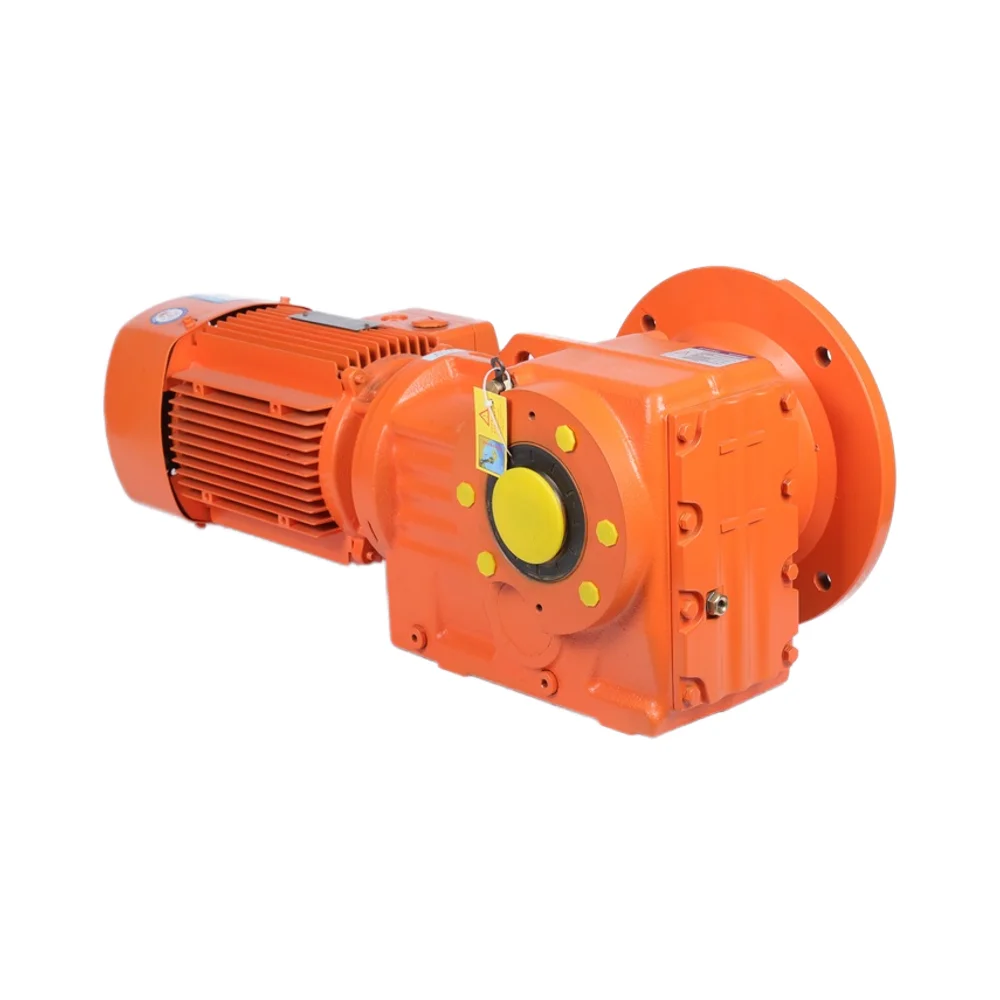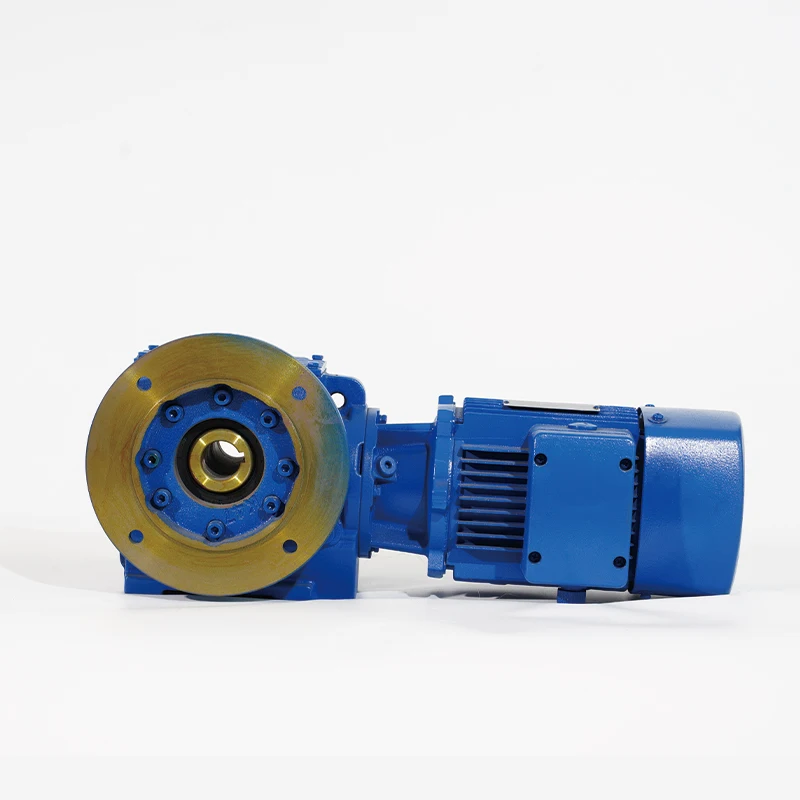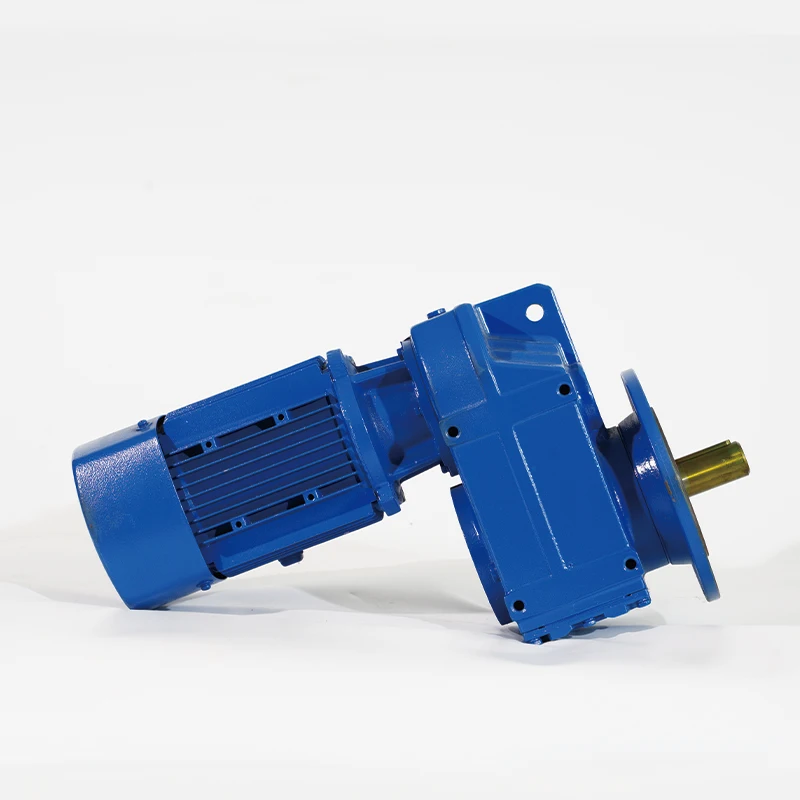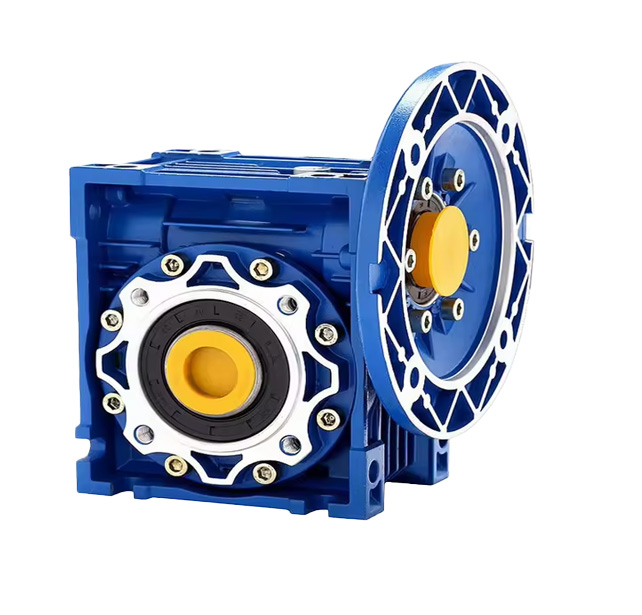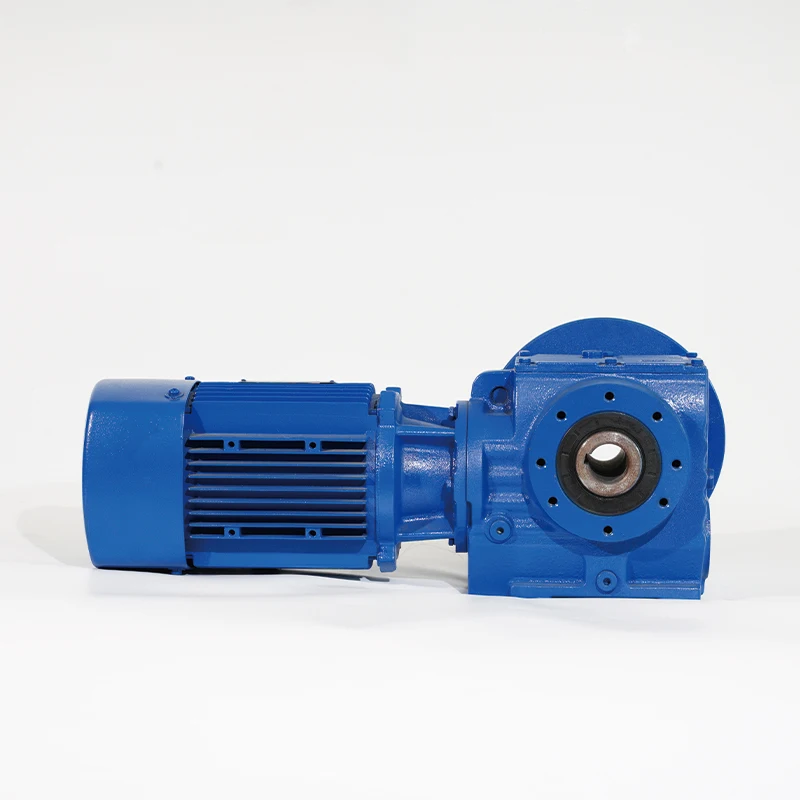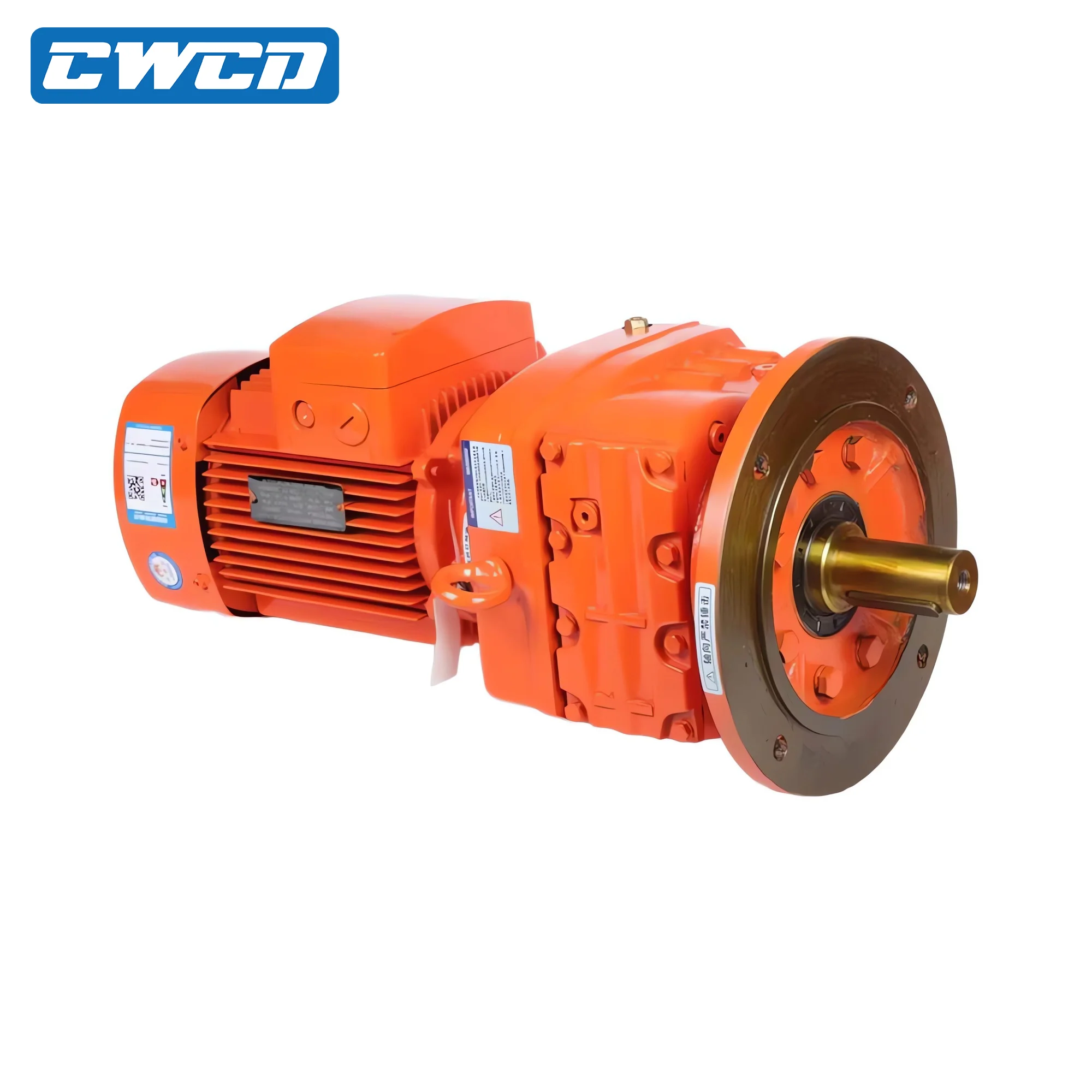
When it comes to maximizing power transfer, high precision gearboxes tackle three main culprits of energy waste: backlash, friction, and heat generation. The gear teeth are ground with extreme accuracy, staying within incredibly tight tolerances at the micron level. This eliminates backlash, which is basically when gears move unexpectedly against each other, causing vibrations and those annoying parasitic power losses we all try to avoid. Manufacturers now use some pretty advanced materials too, like special alloys coated with stuff that reduces friction significantly. And don't forget about those helical tooth designs that spread out the load so no single spot gets too hot. Thermal management has also improved thanks to built-in channels that carry away heat much better than older models. These improvements actually bring down operating temps by around 15 to 20 degrees Celsius compared to what was standard before. All these engineering tweaks together cut thermal losses by nearly 18 percent, making these gearboxes last longer especially in tough environments like packaging machinery where they run nonstop day after day.
Testing under ISO 6336 standards confirms that high precision gearboxes offer 5–12% greater torque fidelity—the ability to maintain consistent output torque under variable loads—compared to conventional models. This translates into tangible energy and performance benefits across industrial operations:
| Performance Metric | High Precision | Standard Gearbox | Improvement |
|---|---|---|---|
| Average Efficiency | 96.2% | 89.5% | +6.7% |
| Thermal Loss | 3.1% | 4.8% | -35% |
| Torque Variance | ±0.8% | ±2.1% | 62% Tighter |
These gains result from reduced windage losses and improved lubricant dynamics, enabling over 95% efficiency across 70–100% load ranges. In plastic extrusion, this consistency prevents motor overloads, reducing annual energy consumption by 11% while maintaining positional accuracy within ±0.05°—making high precision gearboxes essential for sustainable, high-performance manufacturing.
High precision gearboxes improve system reliability through superior load distribution and structural stiffness. Micron-level manufacturing ensures even force dispersion across gear teeth, eliminating stress concentrations that lead to premature wear. This design:
By mitigating cyclical fatigue and thermal stress, these gearboxes extend motor service life by an average of 14,000 hours and help prevent cascading failures in downstream components.
A 24-month production study in automotive manufacturing revealed significant reliability improvements after adopting high precision gearboxes. Robotic welding stations equipped with these units showed:
| Reliability Metric | Standard Gearboxes | Precision Gearboxes | Improvement |
|---|---|---|---|
| Unscheduled stops | 11.2/month | 6.5/month | 42% — |
| Motor replacements | 3.6/year | 1.2/year | 67% — |
| Thermal shutdowns | 8.3/quarter | 2.1/quarter | 75% — |
These gains equate to more than 380 recovered production hours annually per assembly line. Reduced maintenance needs and delayed capital expenditures deliver a clear return on investment within 18 months.
When working in cleanrooms or on automated production lines, controlling noise levels and achieving quick responses matters a lot. Helical high precision gearboxes typically run quieter than 65 dB because of those angled teeth that mesh together slowly rather than slamming into each other. This gradual engagement cuts down on vibrations that could stir up particles in sterile areas certified by ISO standards. For planetary gear systems, what makes them stand out is how quickly they can reverse direction. These setups hit response times below 100 milliseconds thanks to the way loads get distributed across several gears at once. Both types have almost no play between gears (less than 1 arc minute) and impressive resistance to twisting forces over 10 Nm per arc minute. That means they stay accurate even when changing directions rapidly and won't resonate during those fast pick-and-place operations common in manufacturing. Semiconductor makers and pharmaceutical companies rely on this kind of precision because even small errors in motion translate directly to lower product yields down the line.
Over a five-year period, high precision gearboxes deliver 27% lower total cost of ownership than standard units. This advantage arises from:
When combined with reduced downtime and labor efficiency gains, these benefits offset the initial cost premium within 18–24 months. For operations focused on long-term value, high precision gearboxes represent a strategic investment that enhances both performance and profitability.
 Hot News
Copyright © 2025 by Changwei Transmission (Jiangsu) Co., Ltd — Privacy Policy

 EN
EN