

 EN
EN
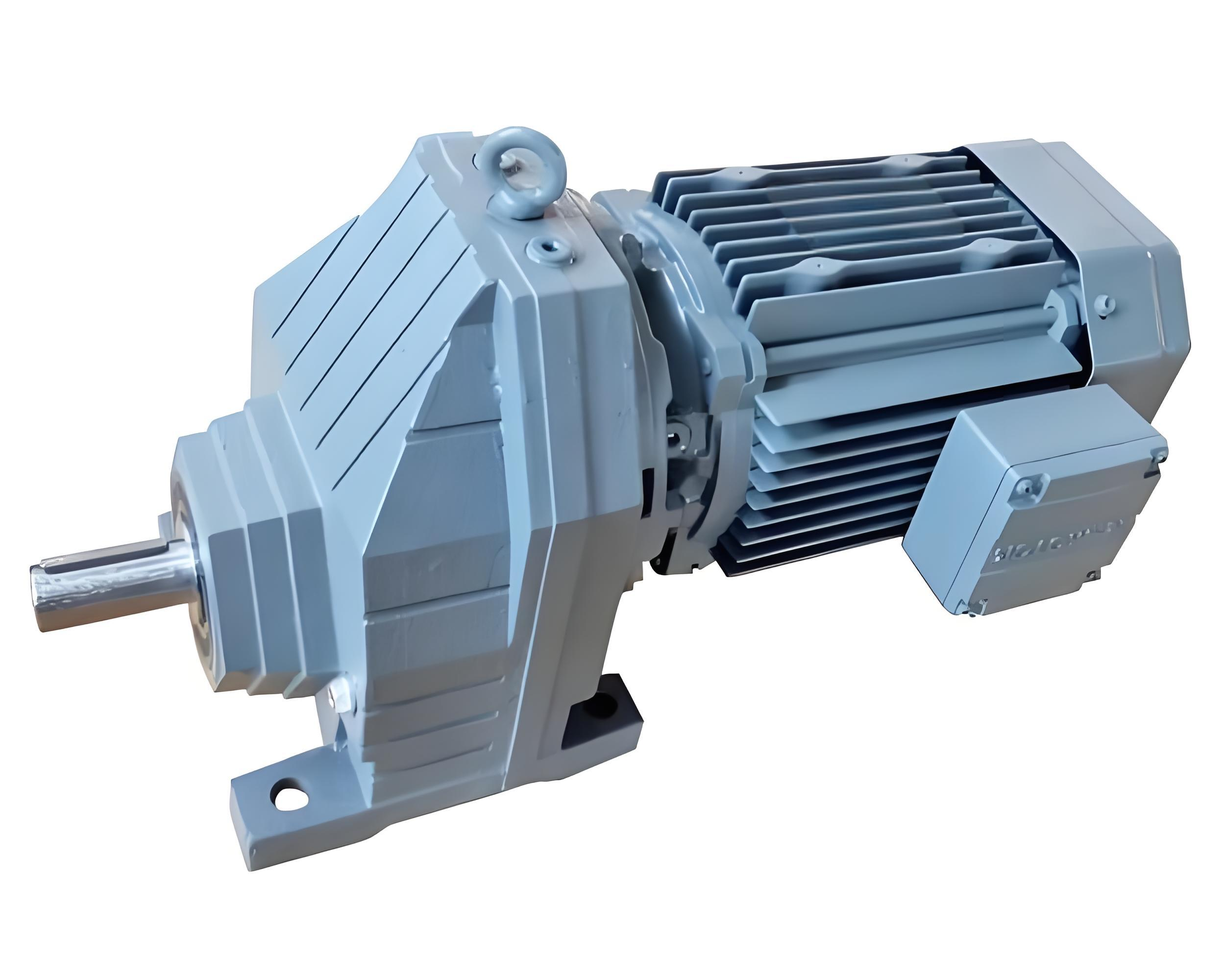
Core Working Principle of Speed Reducer Gearboxes
Energy Conservation and Rotational Kinematics in Gear Trains
Speed reducer gearboxes basically work by conserving energy, taking in fast spinning motion with little force and turning it into slower rotation but much greater force at the output. When gears click together during operation, they pass along most of their rotational energy from one shaft to another while losing very little to friction. Most modern gearboxes made with precision engineering can hit efficiencies around 95% to almost 99%, according to standards set by organizations like AGMA back in 2020. At heart, what happens here matches basic physics principles. Think about it this way: whatever power goes into the system equals what comes out plus whatever gets lost along the way. And remember, power itself depends on both how fast something spins (measured in RPMs) and how much twisting force it has.
Fixed Gear Train Configurations and Velocity Transformation
Fixed axis gear trains come in different setups like parallel shafts, planetary arrangements, and right angle types such as worm or bevel gears. These setups basically determine how rotational speed changes and torque gets multiplied or reduced. Take parallel shaft systems for instance. When a small driver gear meshes with a bigger driven gear, we get what's called speed reduction. The basic math works out like this: take the input revolutions per minute and divide it by the gear ratio to find the output RPM. Now planetary gear sets are something else entirely. They pack incredible torque capacity into very small spaces because they coordinate movement between three main components - the sun gear, planet gears, and ring gear. Some designs can reach gear ratios of 100 to 1 despite their compact nature. What makes them so effective? The load gets distributed across several planet gears at once. This means manufacturers can transmit much greater forces without having to build massive, heavy components.
Gear Ratio Dynamics and Its Impact on Speed and Torque
Calculating Gear Ratio and Predicting Output RPM
Gear ratios basically tell us how much slower the output will be compared to the input in a gearbox. To figure it out, we just count the teeth on the gears involved. Take for example when there's a 50 tooth gear connected to a 10 tooth one, that gives us a 5 to 1 ratio. What does this mean practically? Well, if our motor spins at 1750 revolutions per minute but we put it through a gearbox with a 5:1 ratio, then what comes out the other end is only going to spin at around 350 RPM. When multiple stages are added together, things get even more interesting. A system where the first part reduces by 3:1 and then another section cuts down by 4:1 actually results in a total reduction of 12:1. All these numbers help mechanical engineers match their equipment to specific jobs while keeping everything spinning accurately within about plus or minus 2 percent error margin, which meets those industry standard tolerances set forth in ISO 1328 specifications.
Torque-Speed Trade-Off: Physics, ISO 6336 Validation, and Real-World Implications
When talking about gears, torque goes up as speed comes down in an inverse relationship that follows basic physics principles. Take a standard 10:1 gear ratio for instance. The theory says speed drops by ten times while torque jumps tenfold. Standards like ISO 6336 back this up with their tests on how loads distribute across teeth and contacts points, showing pretty much the same pattern works for different gear shapes. But real life isn't so clean cut. Friction losses, oil drag between moving parts, and heat generated during operation bring actual efficiency down to around 90 to 95 percent. That means our hypothetical 10:1 box will probably only give us about 8 to 9 times the torque boost we expect. Engineers always build in some safety margin when specifying these ratios. Going too small can cause motors to lock up, but going too big creates problems too. Excess reduction generates unwanted heat which wears components faster than expected. Finding the sweet spot requires looking at several factors at once including how responsive the system needs to be, managing temperature rise, and ensuring parts last through their expected service life.
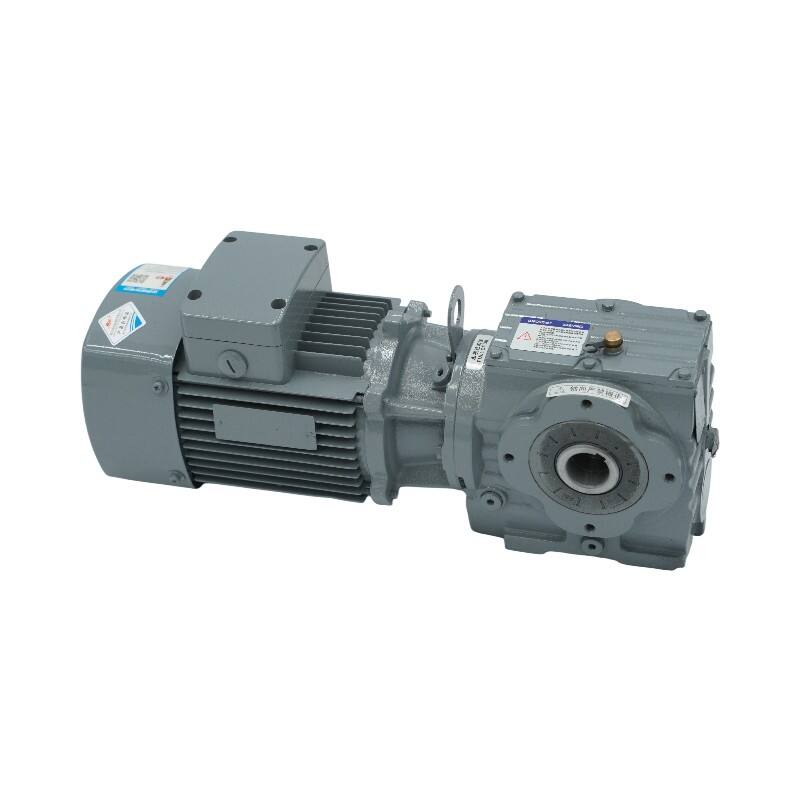
Torque Enhancement via Mechanical Leverance in Speed Reducer Gearboxes
Lever Arm Mechanics in Spur, Helical, and Planetary Gearsets
The way gearboxes multiply torque comes down to basic lever principles. Think of gear pitch radii as working like levers. When a small driver gear pushes against a bigger driven gear, it's actually applying force across a shorter distance, while the larger gear spreads that same force out over a much longer path, which makes the output torque stronger. Spur gears work on this exact idea with their straightforward tooth design that engages directly along the axis. They handle lots of torque and are simple enough for tough industrial jobs. Helical gears take things a step further with their slanted teeth that come into contact bit by bit at several points at once. This spreads the workload around better and can make them last about 25% longer than spur gears when running non-stop. For maximum mechanical advantage, planetary gear systems distribute forces all around concentrically. Several planet gears work together to transfer power from the central sun gear to the outer ring gear. These setups pack three times more torque into the same space as regular spur gearboxes, plus they stay stable structurally and have minimal play between components.
Integration in Drive Systems: Matching Motor Output to Load Requirements
Speed reducer gearboxes serve as critical interface components that adapt motor output to exact load demands—optimizing torque-speed profiles while safeguarding system integrity. Proper integration prevents mismatch-induced inefficiencies, which industrial drive studies show can reduce overall system efficiency by up to 40%. Three foundational principles guide effective implementation:
- Inertia Matching: Gear reducers lower reflected load inertia by the square of the gear ratio—enabling smaller, more responsive motors to control high-inertia loads without instability or overshoot.
- Torque Calibration: Output torque scales linearly with gear ratio (adjusted for efficiency), allowing precise alignment of motor capability with peak load requirements.
- System Rigidity: Precision gear meshing minimizes backlash and torsional deflection, preserving positioning accuracy and motion fidelity—even under variable or shock-loading conditions.
This mechanical-electrical coordination is essential in demanding applications like conveyor systems, where controlled low-speed torque enables seamless handling of sudden load surges without stalling. Well-integrated drives extend equipment life, reduce maintenance frequency, and support energy optimization goals aligned with ISO 50001 requirements.