

 EN
EN
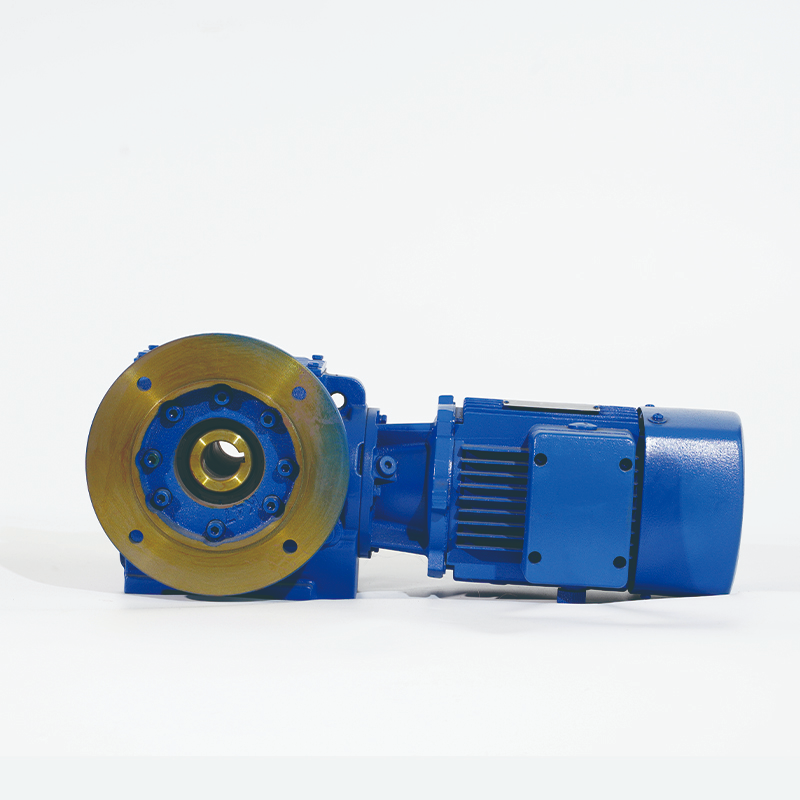
Understanding Gearbox Power Loss Mechanisms
Meshing, Bearing, Churning, and Windage Losses Explained
Four primary mechanisms drain efficiency in industrial gearboxes:
- Meshing losses, arising from friction and elastic deformation during tooth contact, consume 1–2% of input power per mesh stage.
- Bearing friction, especially in high-precision systems, accounts for up to 15% of total losses.
- Churning losses occur as gears displace lubricant—viscosity directly influences 20–30% of hydrodynamic drag.
- Windage losses, driven by air turbulence, become significant above 5,000 RPM.
Each additional gear mesh reduces overall system efficiency by ~2%, underscoring the importance of minimizing stage count without compromising functional requirements.
Quantifying Losses: ISO 14179-1 Testing and Real-World Efficiency Gains
ISO 14179-1 provides a standardized methodology for measuring gearbox power loss across operating conditions—enabling objective comparison of thermal management, manufacturing precision, and design choices. The standard reveals how loss contributions break down across key sources:
| Loss Type | Typical Impact Range | Mitigation Strategy |
|---|---|---|
| Meshing Friction | 40–60% of total loss | Optimized tooth geometry & surface finish |
| Lubricant Churning | 15–30% of total loss | Low-viscosity PAO oils |
| Bearing Drag | 10–25% of total loss | Ceramic hybrid bearings |
| Windage | 5–20% at high RPM | Streamlined housing design |
Implementing ISO-guided improvements yields 1–3% absolute efficiency gains in field applications—equivalent to $18k annual energy savings per 100 kW system [Ponemon Institute, 2023]. When combined with CFD-optimized cooling, these gains remain stable under continuous high-load operation.
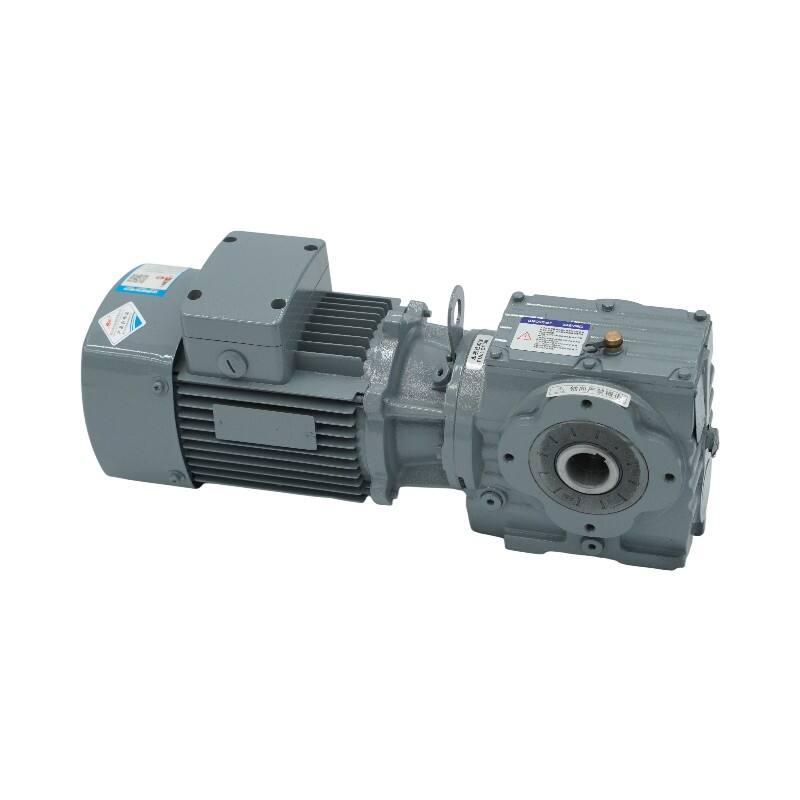
Optimizing Gear Ratio and Thermal Performance
Matching Gear Ratios to Dynamic Load Profiles in Electrified Systems
Choosing the right gear ratios isn't simply about matching peak performance specs. The real challenge comes from aligning them with actual torque and speed requirements in everyday operation. When gears are too big, they create unnecessary friction losses. Too small and components can get damaged when sudden loads appear. This matters a lot in things like industrial robots where speeds constantly change. Systems that adjust their gearing automatically tend to save around 12 to maybe even 18 percent on energy costs compared to those stuck with fixed ratios. With sensors watching loads in real time, these smart systems can tweak gear ratios as needed to deliver exactly what the machine needs at any given moment. This approach helps avoid the typical 7 to 15 percent loss in efficiency we see when gearboxes aren't properly matched during acceleration periods.
CFD-Guided Thermal Management for Sustained High-Efficiency Operation
CFD technology allows engineers to create accurate thermal designs that keep gearboxes running efficiently even when under constant heavy loads. When gears get too hot, the lubricants start breaking down faster, which increases friction between moving parts. The heat also causes components to expand at different rates, making gear teeth no longer line up properly. With advanced CFD modeling, manufacturers can figure out where to place heat exchangers and how coolant should flow through the system. These improvements typically bring down operating temps anywhere from 20 to 35 degrees Celsius in industrial settings. Better temperature control means the oil stays viscous longer, so friction losses drop around 9 percent overall. Service intervals stretch out about 40% longer too, according to research published in tribology standards documents like ISO/TR 15141. Gear systems that spin over 5,000 revolutions per minute need this kind of consistent thermal management if they want to maintain that sweet spot above 98% efficiency across multiple stages.
Advanced Lubrication and Friction Control for Gearboxes
Low-Viscosity PAO Oils vs. VI Improvers in High-Precision Gearbox Applications
When looking at synthetic Polyalphaolefin (PAO) oils versus Viscosity Index (VI) improvers, we're really talking about two completely different ways to handle friction issues. Low viscosity PAOs cut down on churning losses somewhere around 12% when compared to regular mineral oils. Plus they keep their consistency across a wide temperature range, working well even at -40 degrees Celsius all the way up to 150 degrees. What makes them special is their uniform molecular makeup which gives natural resistance to shearing forces, so there's no need for those extra additives that typically break down over time. On the flip side, VI improvers depend on temperature sensitive polymers that just don't hold up when subjected to high pressure and intense shear conditions. This leads to permanent loss of viscosity and faster component wear. Real world testing in centrifugal systems running over 5,000 RPM has shown that gear life gets extended by about 30% with PAO based lubricants, plus there's a noticeable drop in overall energy usage as well.
Sealing Innovations That Minimize Drag and Prevent Lubricant Degradation
The latest advances in sealing tech tackle those pesky efficiency issues we all face: power losses from drag and keeping lubricants clean. Take spring energized fluoropolymer seals for instance. They keep good contact pressure but create about 40 percent less friction compared to old school lip designs. Pretty impressive actually. And then there's micro texturing on surfaces that pushes dirt and debris away from where it matters most, all while cutting down on drag torque. When things get really fast, labyrinth seal arrangements become super important. These stop oxygen from getting through which means no oxidation of the lubricant and longer periods between oil changes roughly 2.5 times what we see with standard setups. All these improvements show just how much better today's sealing systems have gotten at handling both contamination problems and making machines run smoother at the same time.
Key characteristics of modern gearbox sealing solutions:
| Feature | Conventional Seals | Advanced Seals | Efficiency Impact |
|---|---|---|---|
| Contact Pressure | Variable | Optimized | 25–40% drag reduction |
| Contamination Control | Single barrier | Multi-stage | 90% less particulate ingress |
| Temperature Tolerance | Up to 120°C | 200°C+ | Prevents oil degradation |
Selecting the Right Gear Type for Maximum Gearbox Efficiency
Choosing the optimal gear configuration significantly impacts overall efficiency—each design presents distinct trade-offs between transmission performance, packaging, and power conservation:
| Gear Type | Efficiency Range | Ideal Use Cases |
|---|---|---|
| Helical | 94–98% | General industrial drives |
| Planetary | 95–98% | High-ratio compact systems |
| Spur | 94–98% | Cost-sensitive applications |
| Spiral Bevel | 95–99% | Right-angle power transmission |
| Worm | 49–90% | High-reduction or self-locking needs |
Helical and planetary gear sets hit their best performance levels around 95 to 99 percent efficiency because their teeth engage smoothly across multiple points at once, distributing the workload evenly throughout the system. When it comes to right angle applications, spiral bevel gears beat straight bevel designs hands down thanks to those curved tooth profiles that reduce sliding friction significantly. Worm gears tell a different story altogether though. Their efficiency range is really wide spread out there. Single stage worm gearboxes typically operate around 90 percent efficiency, but when we get into double reduction setups, things drop off dramatically sometimes as low as 49 percent. This happens mainly because of all that sliding friction between the worm and wheel, especially if lubrication isn't optimal or temperatures fluctuate too much. Most engineers would recommend going with helical or planetary options whenever possible given the available space constraints. Save worm gears for situations where either self locking capability or extremely high gear ratios make them absolutely necessary despite the efficiency tradeoffs. And remember something important about these high efficiency gear types: they need much better temperature management since even small changes in heat can throw off those tight manufacturing tolerances that make them work so well in the first place.