

 EN
EN
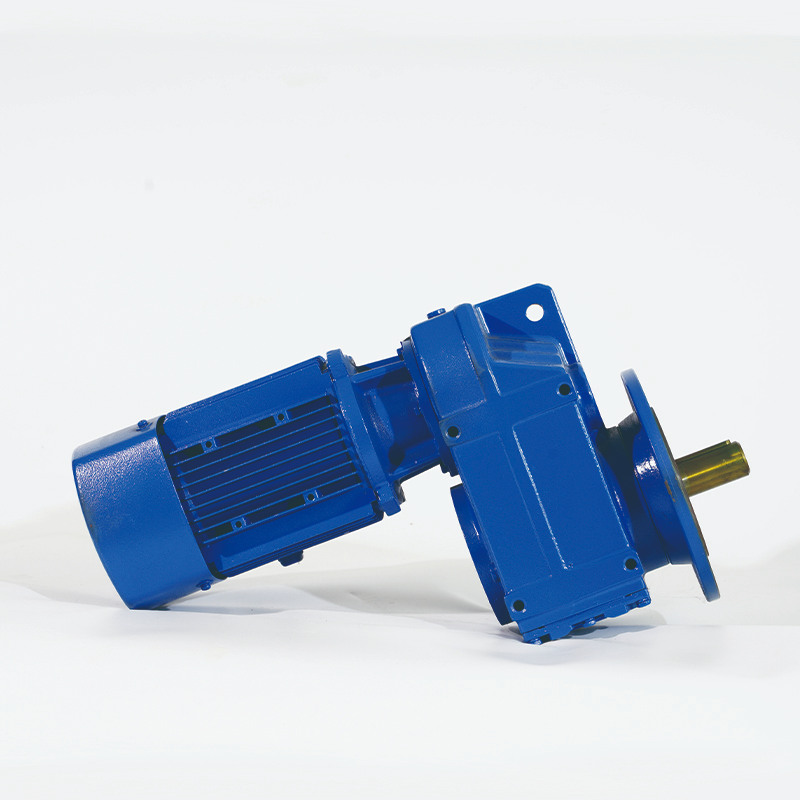
Torque Amplification: How Industrial Gear Reducers Enable High-Load Performance
The Physics of Speed Reduction and Torque Multiplication
Gear reducers work based on a basic mechanical rule: when we slow down rotation, torque goes up instead. This follows from how energy works out mathematically, using the formula Power (kW) equals Torque (Nm) multiplied by Speed (rpm) divided by 9549. The actual mechanics happen when a small gear turns a bigger one. As the big gear spins slower than the small one, it actually creates more force at the same time. Take a typical 10:1 reduction ratio for example. What happens is the output speed becomes just 10% of what came in from the motor, but the torque gets multiplied by ten times. That's why manufacturers can use smaller motors to handle really heavy tasks. Crushers need this kind of power multiplication, so do industrial mixers and those massive hydraulic presses found in factories. Without gear reducers, these machines would require enormous motors that simply aren't practical. Getting good efficiency depends on several factors though. The gears themselves have to be cut precisely, bearings must align correctly, and proper lubrication matters a lot too. Most modern industrial systems manage to hit over 95% efficiency if everything runs smoothly, but real world conditions often bring some losses into play.
Eliminating Motor Oversizing: Real-World Efficiency Gains in Mining Conveyor Systems
Gear reducers play a crucial role in mining operations by cutting down on the need to oversize motors while handling those tough inertial loads that come with heavy materials. Take conveyor belts transporting iron ore or coal for instance these systems typically need starting torques that are double what they run at normally. Without proper gear reduction, companies end up installing bigger motors than necessary just to handle those brief but intense startup demands. This creates wasted money upfront and higher energy bills down the road. When the right gear reducer is paired with the motor, it lets everything run closer to ideal efficiency levels. Real world tests on conveyors equipped with planetary gear systems have shown around 30 to 40 percent reductions in power consumption even when moving massive 50 ton loads across the mine site. Lower power means both cost savings and fewer carbon emissions too. Plus, controlled torque delivery helps prevent belt slippage problems and reduces wear and tear on components, which matters a lot in those dusty, gritty mining conditions where equipment tends to break down faster anyway.
Energy Efficiency and Extended Service Life with Industrial Gear Reducers
Balancing Theoretical Efficiency (ISO 6336) and Field-Derived Durability Metrics
Peak efficiency in industrial gear reducers emerges when ISO 6336 — the internationally recognized standard for gear rating — guides design decisions aligned with real-world operating conditions. Optimized tooth geometry, surface finish, and precision manufacturing reduce energy losses, resulting in:
- Lower heat generation during sustained high-load operation
- Reduced parasitic power draw in continuous-duty cycles
- Consistent torque transfer with ±3% efficiency deviation across rated speed ranges
Field studies confirm that well-specified gear reducer systems lower energy consumption by 18–22% compared to direct-drive alternatives in heavy machinery applications.
42% Average Downtime Reduction in Excavator Final Drives: Evidence from Field Reports
A 2023 analysis of mining equipment found gear-driven final drives extended service intervals by 2.8× versus hydraulic equivalents. The 42% reduction in unplanned downtime stems from three interrelated durability advantages:
| Factor | Impact | Evidence |
|---|---|---|
| Load Distribution | Even stress across gear teeth | 37% lower bearing replacements |
| Sealed Lubrication | Contaminant exclusion | 400-hour oil change cycles |
| Shock Absorption | Protected motor windings | 29% fewer electrical failures |
This reliability directly reduces total cost of ownership: tracked earthmovers saw annual maintenance savings of $740k per site, according to aggregated field reports.
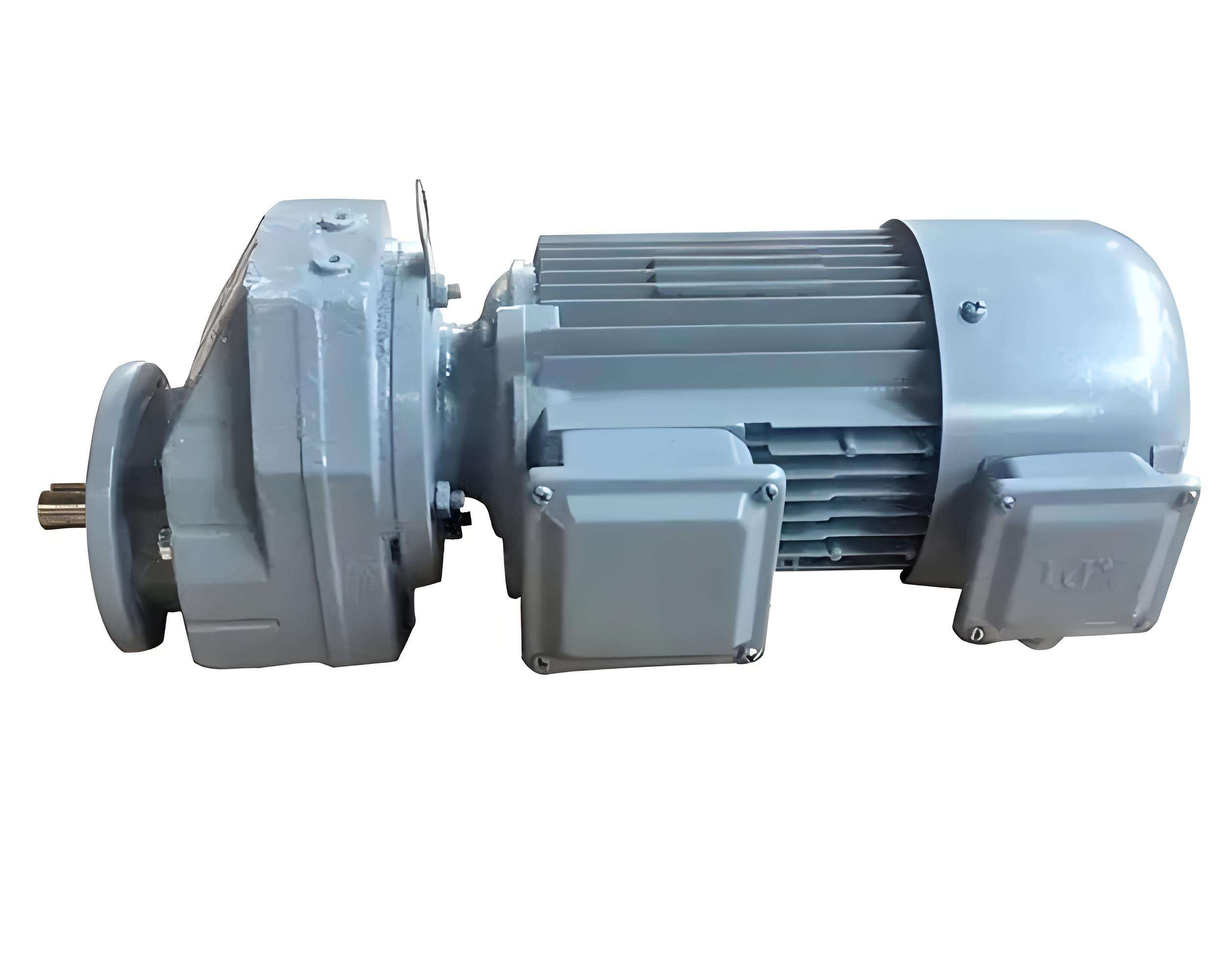
Compact Design, Cross-Industry Versatility, and Total Cost of Ownership Benefits
Standardized Mounting and Customizable Ratios Across Construction, Mining, and Material Handling
Most industrial gear reducers come with standard mounting options like ISO, DIN, and NEMA compliant flanges which makes them easier to install on equipment ranging from construction excavators to mining conveyor belts and warehouse material handling systems. When manufacturers stick to these standards, they typically save around 25 to 30 percent on installation time. For engineers working on specific projects, choosing the right gear ratio is crucial since different applications need different torque speed relationships. Take mining operations for instance where a 20:1 ratio works well for heavy duty conveyors, but factory assembly lines usually require something closer to 15:1 for more precise movements. The ability to adjust without having to develop entirely new motors saves money without sacrificing performance even in tough operating conditions.
Planetary vs. Helical Industrial Gear Reducers: TCO Comparison for Crane Hoist Applications
When it comes to selecting gear reducers for crane hoists, the decision between planetary and helical types really affects what happens with costs down the road. Planetary gear systems pack a lot more power into smaller spaces, which makes them great when installation room is tight. They run pretty efficiently too, around 92 to 95 percent, so they cut energy bills by about 12 to 15 percent compared to helical options. Helicals do have their advantages though, especially with smoother operation during lifting tasks. But those benefits come at a price since helical gears usually work at only 80 to 85 percent efficiency and need maintenance checks more often. Looking at things over ten years or so, most facilities find that going with planetary setups saves them somewhere between 15 and 20 percent on overall expenses because of both better energy performance and fewer repair needs.
| TCO Factor | Planetary Reducer | Helical Reducer |
|---|---|---|
| Initial Cost | Higher | Lower |
| Energy Efficiency | 92–95% | 80–85% |
| Maintenance Cycles | Every 8,000 hours | Every 5,000 hours |
| Space Requirements | 30% more compact | Larger footprint |