 EN
EN
Identify Common Electric Motor Issues
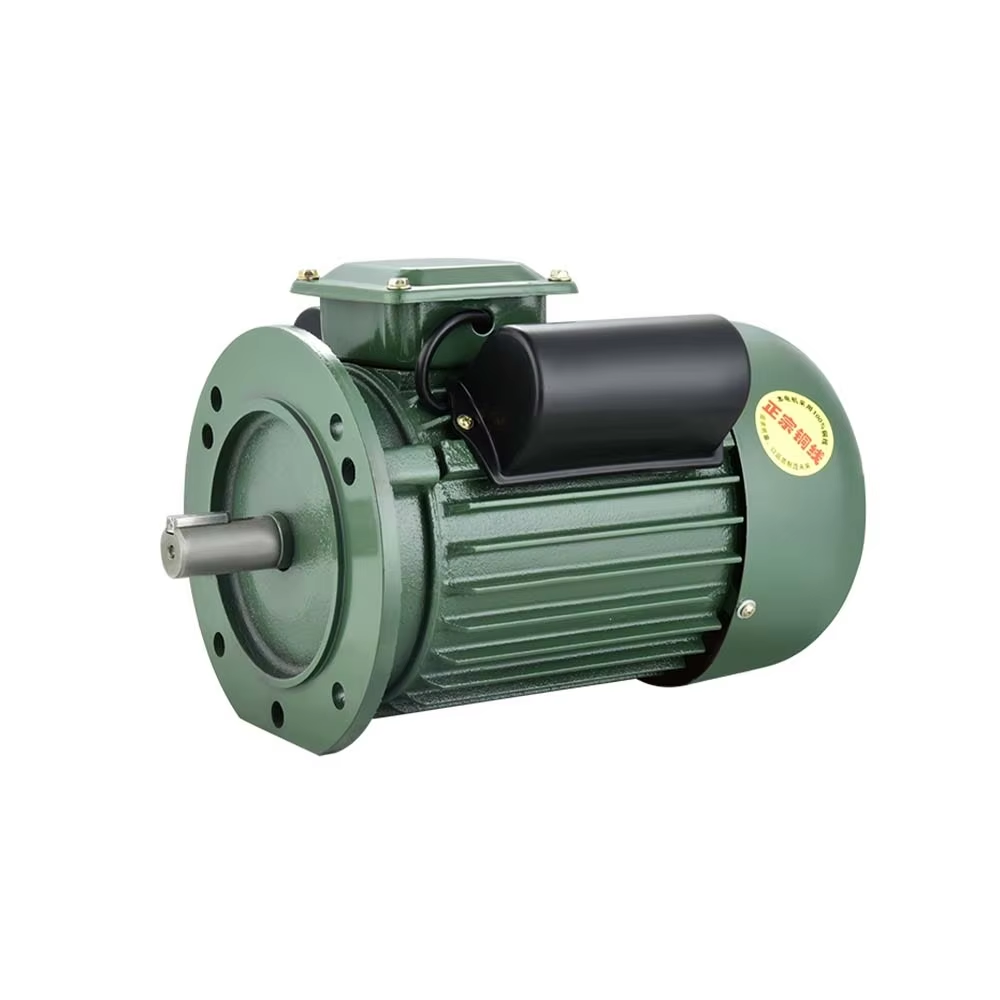
Electric motors are critical components in industrial equipment, and timely troubleshooting of common issues can minimize downtime and maintenance costs. Changwei Transmission (Jiangsu) Co., Ltd., a professional manufacturer with 10 years of experience in electric motors and gearboxes, highlights the most frequent problems encountered by users: failure to start, abnormal noise or vibration, overheating, reduced efficiency, and sudden shutdowns. These issues often stem from power supply anomalies, mechanical wear, improper maintenance, or mismatched operating conditions. Their IE3 energy-saving three-phase motors and high-power 380V-660V motors, widely used in pumps, fans, and compressors, are engineered for reliability—but understanding common faults helps users address issues promptly.
Check Power Supply and Connections
Power supply and connection problems are the leading causes of motor failures. Start by verifying the input voltage matches the motor’s rated voltage (e.g., 380V-660V for Changwei’s high-power motors). Use a multimeter to check for voltage fluctuations, which can damage windings over time. Inspect power cables and terminals for loose connections, corrosion, or overheating—signs of poor contact. Changwei’s motors comply with IEC and EN standards, featuring standardized wiring interfaces to reduce connection errors. For three-phase motors, ensure phase sequence is correct to avoid reversed rotation. If the motor still fails to start, check circuit breakers, fuses, or contactors for tripping, which may indicate overload or short circuits.
Inspect Mechanical Components
Mechanical wear and misalignment often lead to abnormal motor operation. First, check the motor’s rotating parts for jamming or resistance—manual rotation should be smooth without obstruction. Wear on bearings is a common issue: listen for grinding or squealing noises, which signal the need for lubrication or replacement. Changwei’s motors use high-quality bearings and genuine copper windings, ensuring durability, but improper lubrication can accelerate wear. Inspect the motor shaft for bending or misalignment, which causes vibration and increases load. For coupled equipment (e.g., pumps paired with Changwei’s gearboxes), check coupling alignment to avoid uneven stress. Loose mounting bolts can also cause vibration—ensure secure installation per the manufacturer’s guidelines.
Evaluate Motor Overheating Causes
Overheating is a major threat to motor lifespan, with common causes including inadequate ventilation, overload operation, or winding damage. Check if the motor’s cooling system (fans, heat sinks) is blocked by dust or debris—Changwei’s IE3 motors feature optimized heat dissipation designs, but regular cleaning is essential. Verify that the motor is not operating beyond its rated load or speed; their planetary gearboxes can be customized to match motor output, preventing overload. Inspect windings for insulation damage (e.g., burns, discoloration) using a megohmmeter—genuine copper windings in Changwei’s motors offer excellent insulation, but moisture or chemical exposure can degrade it. For motors in high-temperature environments, confirm they meet thermal class requirements specified in ISO standards.
Address Performance and Efficiency Issues
Reduced torque, slow speed, or increased energy consumption indicate performance issues. First, check if the motor is properly matched to the application—Changwei’s customization services (OEM/ODM) ensure motors are tailored to specific load and speed requirements, avoiding mismatches. For energy efficiency drops, verify if the motor complies with IE3 standards (Changwei’s motors meet this requirement) and check for voltage unbalance, which wastes power. Inspect for air gaps between the stator and rotor—excessive gaps reduce magnetic efficiency. If the motor is paired with a gearbox, ensure the gearbox (e.g., Changwei’s planetary or helical gear reducers) is functioning correctly, as gear wear can affect motor performance.
Leverage Manufacturer Support and Warranties
If troubleshooting does not resolve the issue, rely on professional support from the manufacturer. Changwei Transmission provides comprehensive after-sales service, including technical consultation, on-site inspections, and spare parts supply. Their motors are covered by warranties, with certified repair services to ensure genuine components are used. The company’s compliance with ISO 9001, RoHS, and Machinery Directive standards means troubleshooting adheres to global safety and quality protocols. For complex issues, submit detailed operation records (load, temperature, runtime) to their technical team—with 30 patents and R&D expertise, they can quickly diagnose root causes, even for customized motor systems.
Preventive Maintenance Tips
Preventive maintenance reduces the frequency of common issues. Establish a regular schedule to clean motor surfaces and cooling systems, lubricate bearings per manufacturer recommendations, and tighten electrical connections. Periodically inspect windings, insulation, and mechanical parts for wear—Changwei’s motors use durable materials, but routine checks extend lifespan. Monitor motor performance (current, temperature, noise) and compare with baseline data; sudden changes indicate emerging problems. Use genuine spare parts from Changwei to ensure compatibility and reliability. For industrial applications, consider their one-stop solutions, including motor-gearbox combinations optimized for long-term efficiency and minimal maintenance.