
 EN
EN
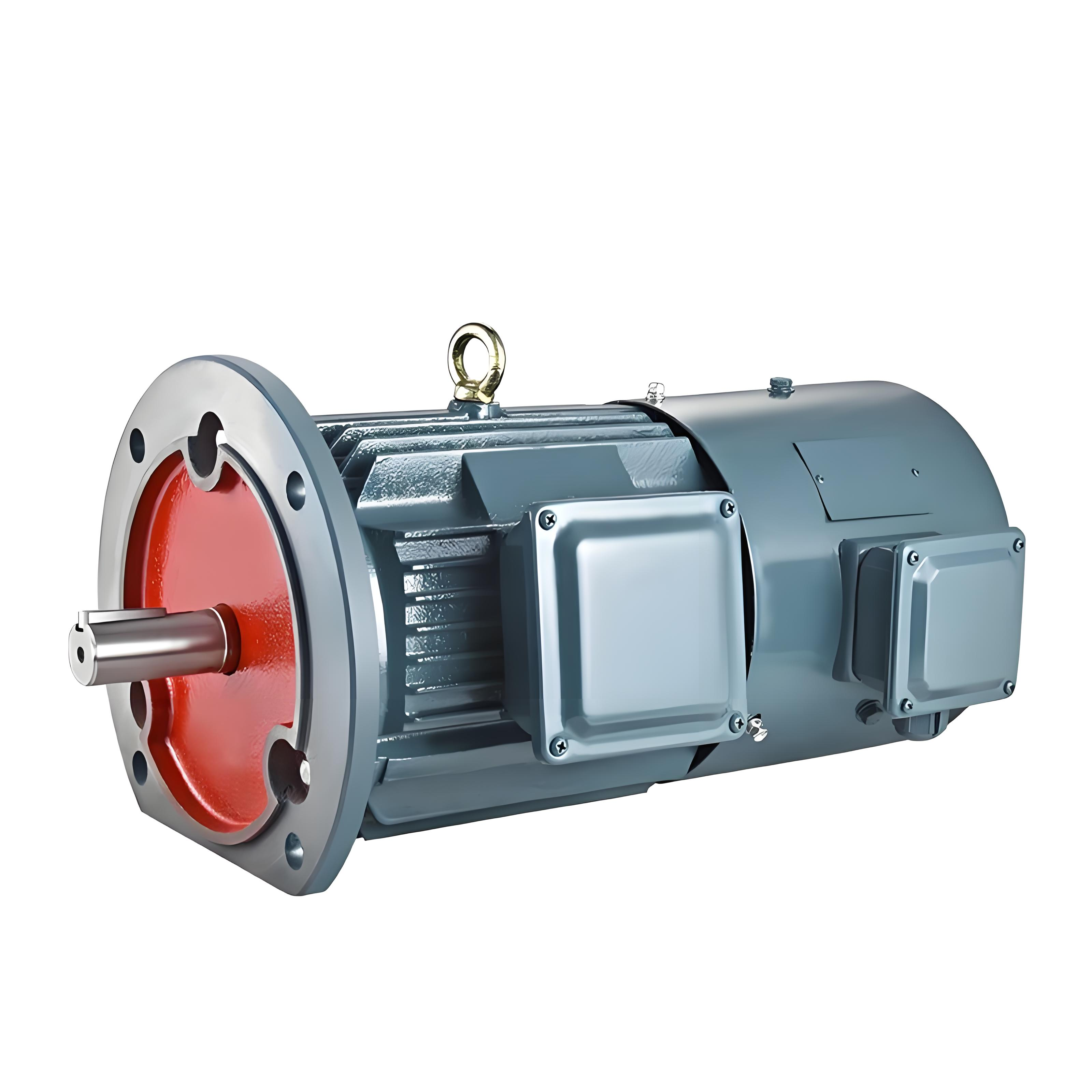
Why AC Synchronous Motors Are Central to Industrial Energy Decarbonization
The Energy Dominance of Motors in Manufacturing (70%+ of Industrial Electricity)
Electric motors eat up more than 70 percent of all industrial electricity worldwide these days, powering everything from pumps and compressors to conveyor belts that run nonstop day after day. Considering that industrial operations already take up almost 40% of global energy consumption, making motors work better can really cut down on carbon emissions. Switching to those high efficiency AC synchronous motors gives manufacturers their best shot at hitting green goals. The numbers tell the story pretty clearly too one percentage point improvement in motor efficiency translates to stopping roughly 7.5 million tons of CO2 from entering the atmosphere each year. That kind of impact makes upgrading motors not just smart for the environment but also economically wise in the long run.
How AC synchronous motor design minimizes core, copper, and stray losses
AC synchronous motors get their impressive efficiency from some pretty clever engineering focused on cutting down three main sources of energy loss. The laminated silicon steel cores help reduce magnetic hysteresis, which cuts core losses around 20% better than what we see in regular induction motors. When it comes to copper losses, optimized stator windings make a big difference too by reducing electrical resistance throughout the system. For the rotor part of things, manufacturers have developed advanced designs like permanent magnet (PMSM) or synchronous reluctance (SynRM) versions that basically wipe out stray losses since they maintain stable magnetic alignment even when loads change. All these improvements mean that modern IE4/IE5 class synchronous motors can run at efficiencies between 96% and 98%, which represents about a 40% reduction in wasted energy compared to older IE1 models from back in the day.
Regulatory Momentum: MEPS, IE Standards, and the Global Shift to High-Efficiency AC Motors
From IE2 to IE5: What the latest IE standards mean for AC synchronous motor procurement
The International Efficiency (IE) rating system is really pushing the world towards better performing electric motors these days. Right now, IE5 stands as the top standard both technically and what regulations are concerned. Looking at how we've moved from IE2 motors that were just considered high efficiency back in the day all the way up to today's ultra-premium IE5 models shows just how much progress has been made. These improvements come from smarter magnetic designs, better quality materials used in construction, and overall more refined electromagnetic engineering. Take Australia for instance where switching out old motors from before 2001 to meet mandatory IE3 requirements cut down on wasted energy across systems by about two thirds. For anyone buying industrial equipment nowadays, it makes sense to look specifically for IE4 or IE5 rated AC synchronous motors since most places have adopted Minimum Energy Performance Standards (MEPS). Over fifty nations including big markets like Europe, America, Canada, Japan, and even parts of Africa now require compliance with these standards.
SME adoption challenges—and how phased compliance pathways reduce disruption
Small and medium enterprises (SMEs) face distinct barriers to adopting high-efficiency motors, including capital constraints and limited in-house technical expertise. Jurisdictions like South Africa address this pragmatically: their IE3 mandate (effective June 2025) permits continued operation of existing motors until end-of-life, avoiding forced replacement. Recommended implementation strategies include:
- Conducting facility-wide motor audits to identify high-usage, high-impact replacement candidates
- Updating procurement policies to require IE3+ efficiency for all new motor acquisitions
- Using projected energy savings to fund staged retrofits—preserving cash flow and operational continuity
This graduated approach enables SMEs to align with global MEPS while respecting practical resource limitations.
Total Cost of Ownership: Why AC Synchronous Motors Deliver ROI Beyond Efficiency Ratings
Lifecycle modeling: How 20-year energy savings dwarf upfront cost premiums
Looking only at what something costs when bought misses the bigger picture in motor economics. The real money maker over time is how much energy these things consume day after day. According to recent facility audits, energy expenses usually eat up around 60 to 70 percent of what companies end up spending on motors throughout their entire lifecycle. Sure, those high efficiency AC synchronous motors might set businesses back about 15 to 20 percent more initially compared to regular induction models. But here's where it gets interesting - they run about 3 to 8 percent better, which means serious savings especially for machines running nonstop. Think about it this way: across two decades of operation, just the electricity saved could amount to nearly a third of everything spent on the motor from start to finish. That beats paying extra at the beginning hands down. The 2023 Motor Systems Efficiency Report backs this up, showing that improvements in core materials, copper usage, and managing stray losses are behind these impressive results. And let's not forget maintenance either. Brushless synchronous motors need roughly 30 percent fewer fixes, cutting down on costly downtime and keeping equipment working longer. Facilities that keep motors running over 4,000 hours each year will see quick returns on investment without question.
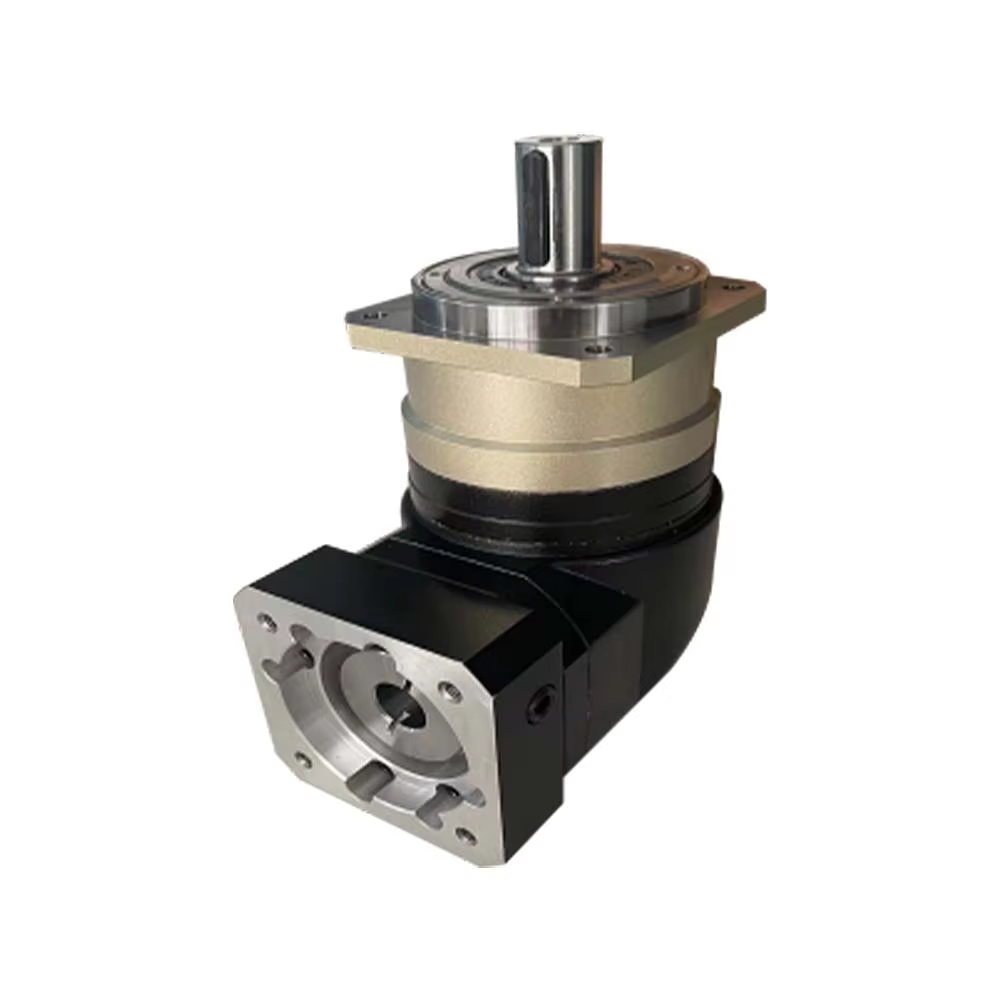
Strategic Retrofitting: Transitioning Legacy Plants from Induction to AC Synchronous Motor Systems
Assessment, sizing, and integration best practices for SynRM and PMSM retrofits
When upgrading old facilities, the process starts with a thorough evaluation of things like load profiles, duty cycles, and how much harmonic distortion exists in the system. This helps figure out if synchronous reluctance motors (SynRMs) or permanent magnet synchronous motors (PMSMs) would work better for what the plant actually needs to do day to day. Getting the right size isn't just about matching horsepower numbers either. It's really about making sure the torque-speed curves line up properly, which allows AC synchronous motors to save around 15 to 30 percent on energy costs compared to traditional induction motors. The installation approach focuses on causing as little trouble as possible during operations. Typically, technicians install compatible variable frequency drives (VFDs) first before checking if everything works well together with the current control systems already in place. During test runs, thermal scans help spot areas where things might get too hot. Meanwhile, smart sensors track vibrations so problems can be caught early before they become major failures. Good planning means scheduling these retrofits when production isn't at peak levels. Most companies see their return on investment within about 18 to 24 months once the energy savings start rolling in consistently.
Key considerations:
- Load profiling quantifies torque requirements to avoid oversizing
- Harmonic filters maintain power quality during VFD integration
- Stator winding adaptations accommodate voltage differences
- Phased validation tests partial loads before full commissioning
This structured methodology transforms aging infrastructure into high-efficiency assets—without requiring full system replacement.
Table of Contents
- Why AC Synchronous Motors Are Central to Industrial Energy Decarbonization
- Regulatory Momentum: MEPS, IE Standards, and the Global Shift to High-Efficiency AC Motors
- Total Cost of Ownership: Why AC Synchronous Motors Deliver ROI Beyond Efficiency Ratings
- Strategic Retrofitting: Transitioning Legacy Plants from Induction to AC Synchronous Motor Systems