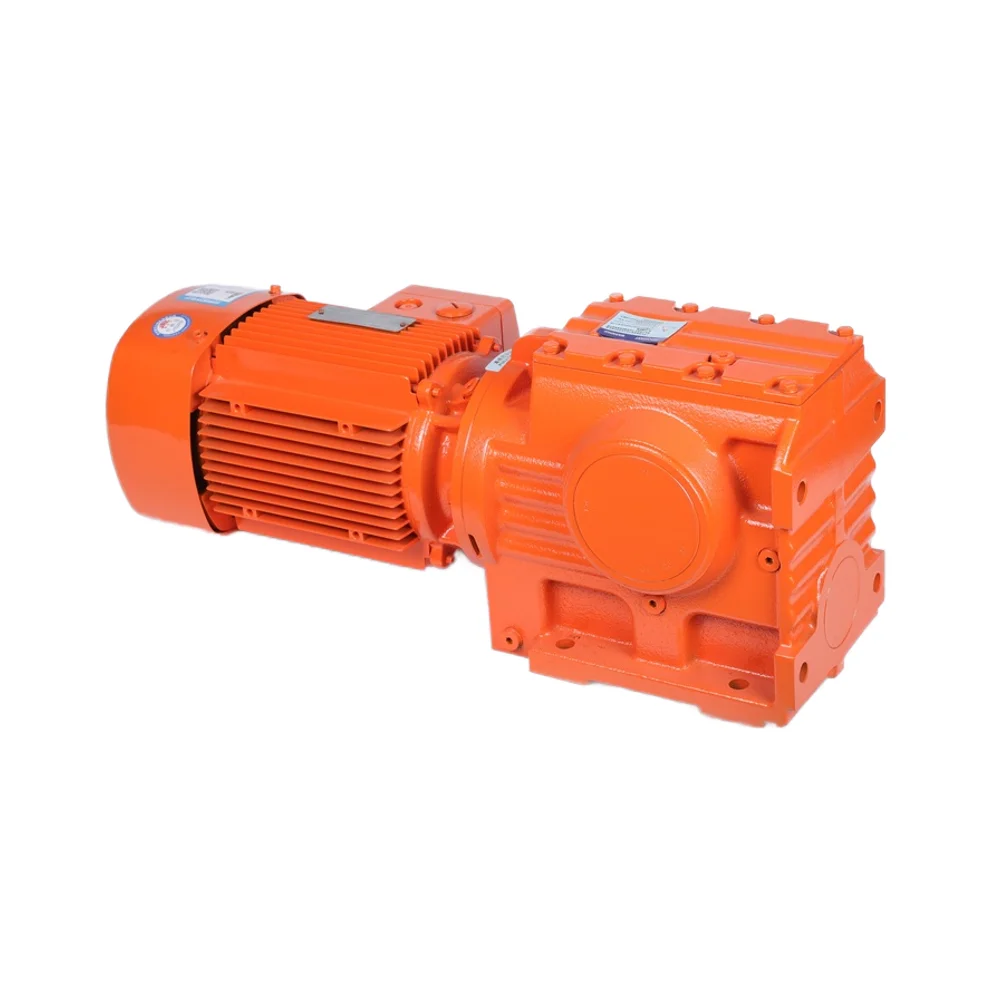
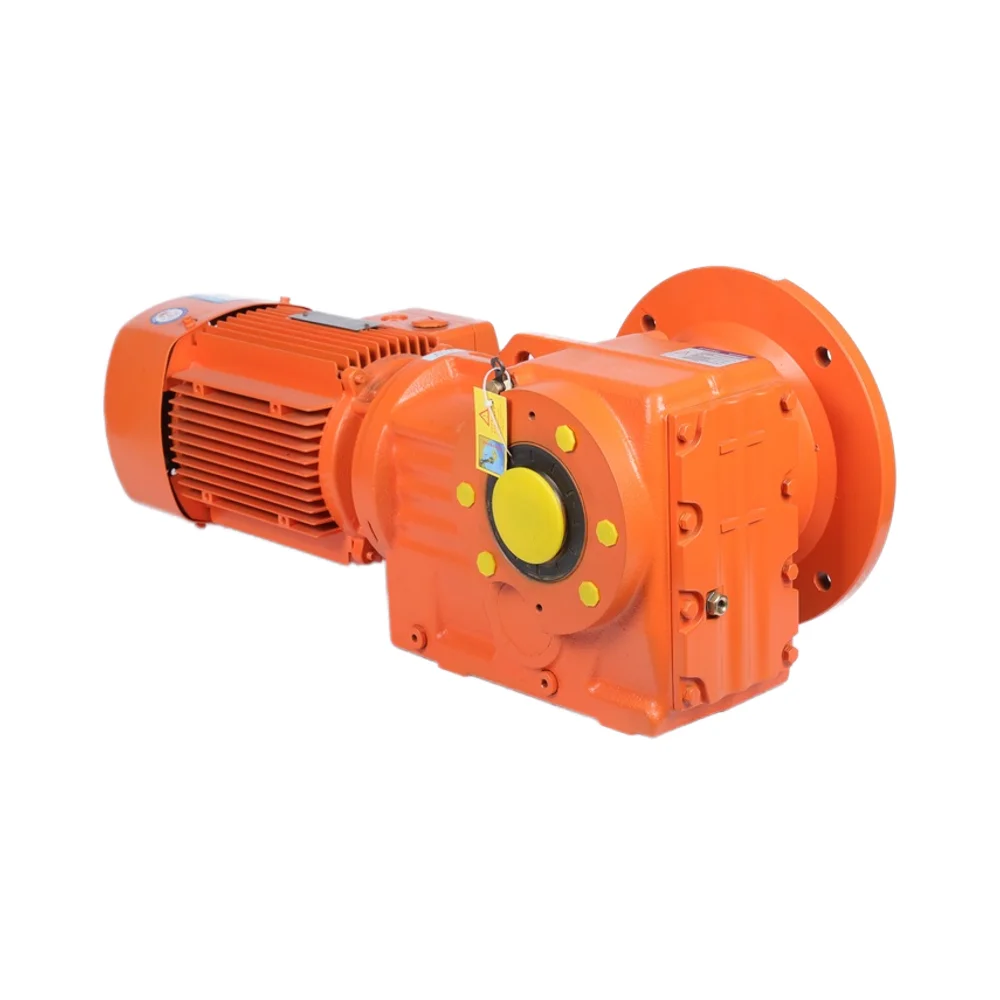
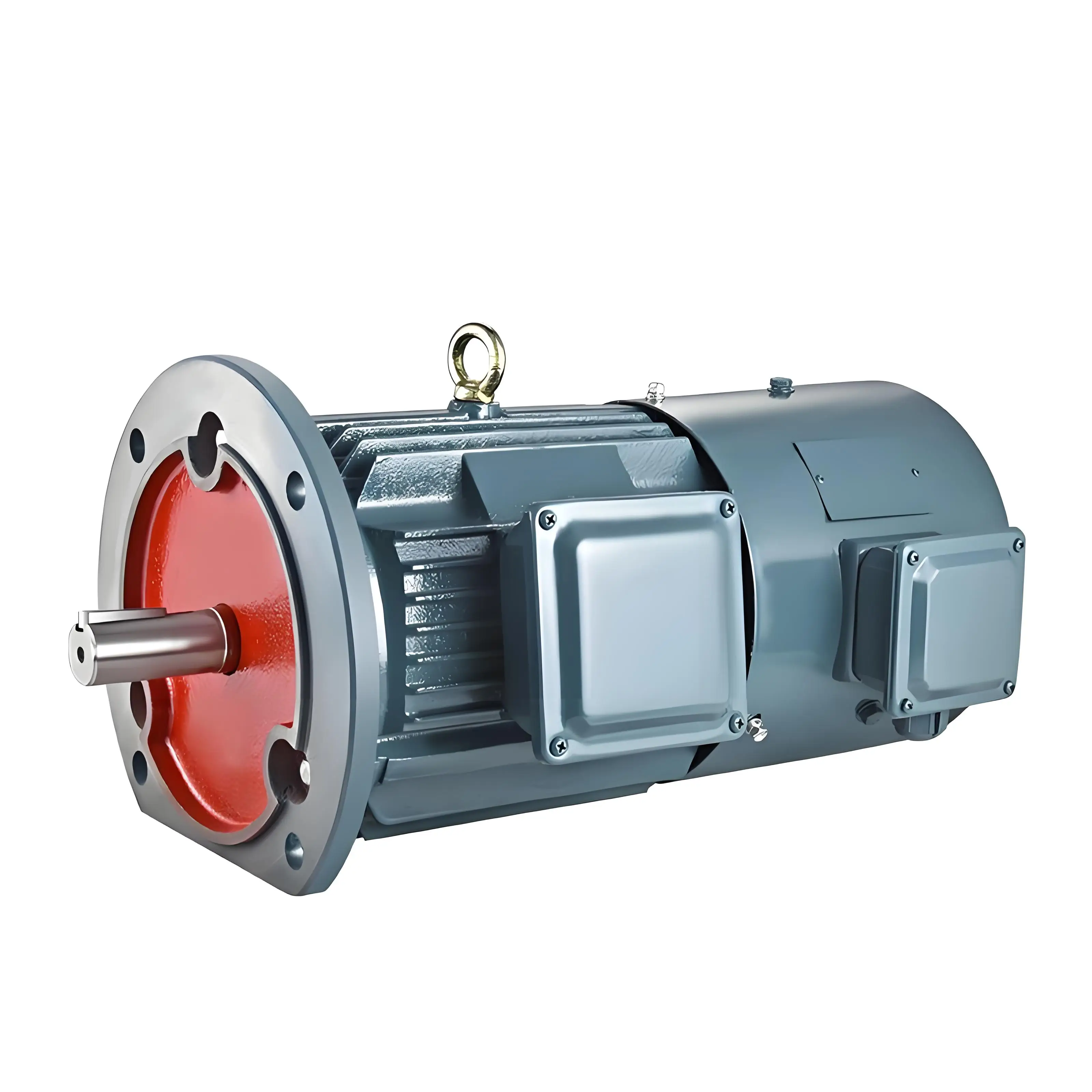
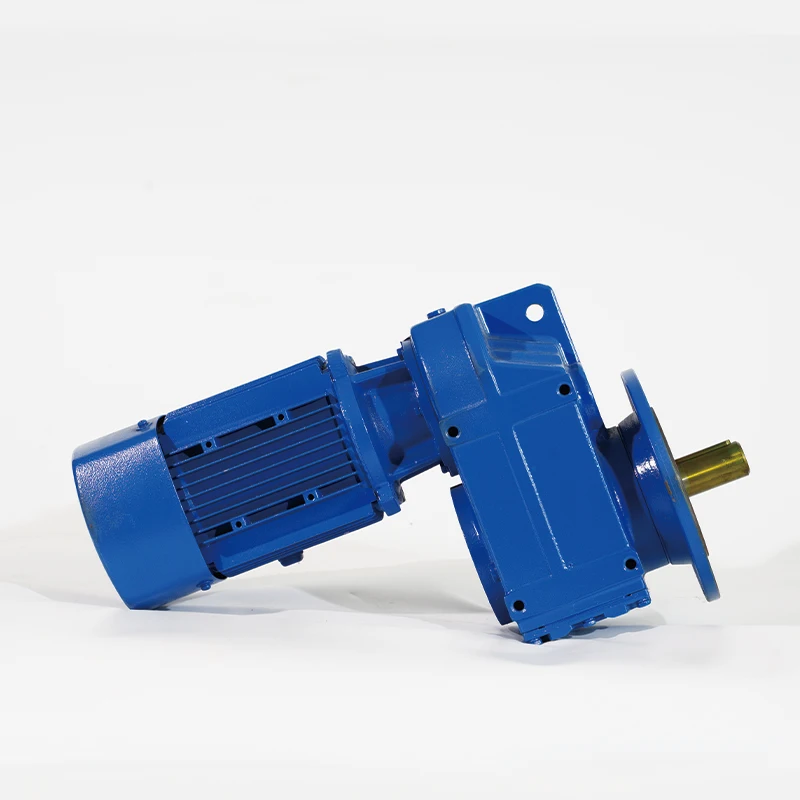
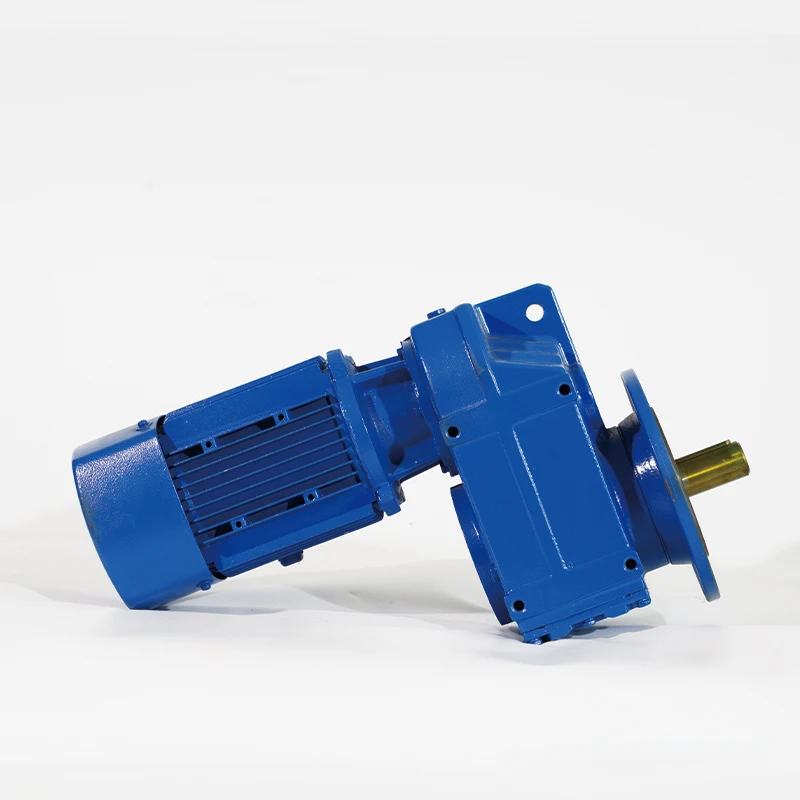
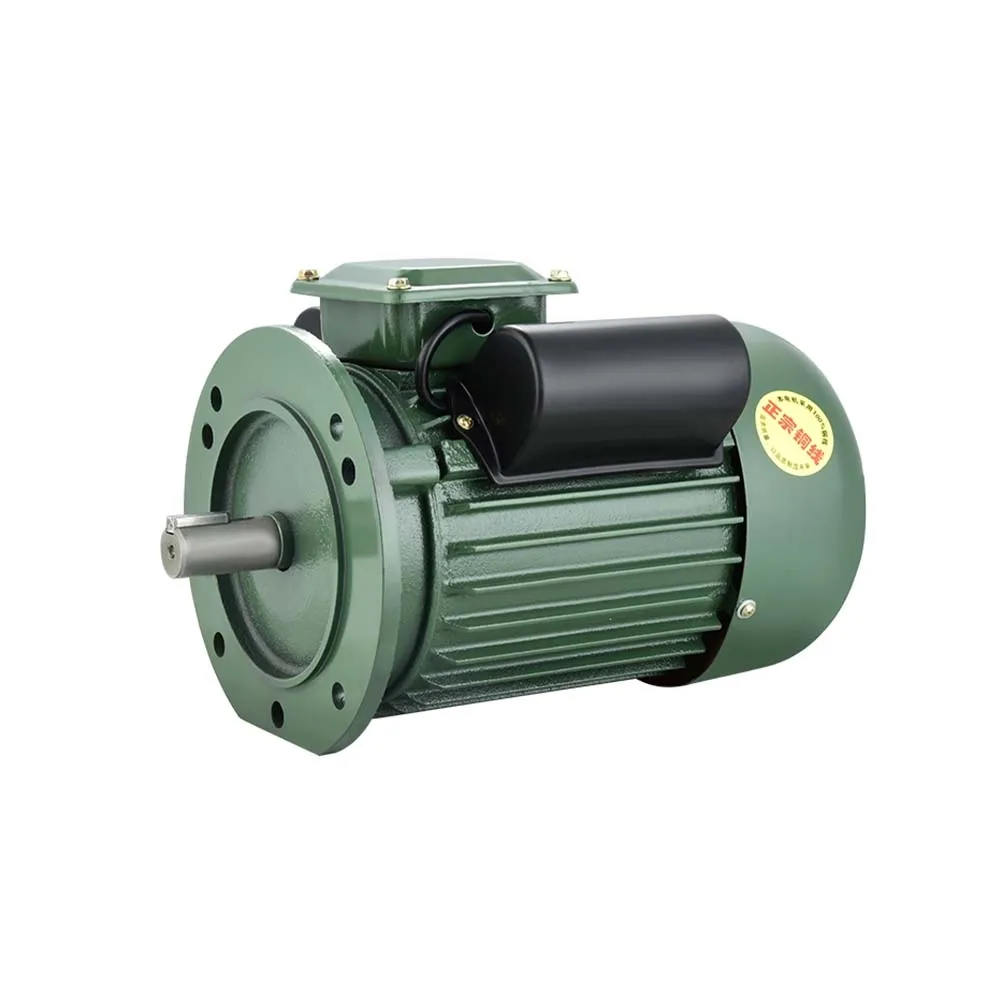
Dagens servomotorer leverer imponerende effekt i forhold til sin størrelse og genererer betydelig dreiemoment selv om de tar så lite plass. Den lille plassbehovet gjør dem ideelle for maskiner der hver tomme teller – tenk på samarbeidsroboter som arbeider side ved side med mennesker, eller de komplekse avbildningssystemene som brukes i medisinsk diagnostikk, og til og med de ekstremt presise verktøyene i halvlederproduksjon. Når ingeniører erstatter de store motor- og girkomboene med disse kompakte alternativene, trengs faktisk mindre strukturell forsterkning, noe som fører til lettere systemer som reagerer raskere på endringer. I tillegg frigjøres det ekstra plass på fabrikkgulvet og det spares materialer, noe som gjør produksjonsbudsjettet mer attraktivt ved månedens slutt.
Servomotorer beholder tørkemomentet sitt ganske konstant fra starten av rotasjonen helt opp til maksimal hastighet. Induksjonsmotorer og stegmotorer forteller imidlertid en annen historie. De tenderer til å miste mye tørkemoment ved lav hastighet eller ved plutselige endringer i belastningen. Hva gjør servomotorer så effektive? Deres konsekvente ytelse betyr at ingen energi går tapt på grunn av motstand mot motoren, og det dannes også mindre varme inne i motoren. Ifølge data fra USAs energidepartement som ble publisert forrige år, kan fabrikker som bytter til servodrevne systemer redusere strømregningene sine med omtrent 15–25 prosent for oppgaver som robotstøpsling og nøyaktige indekseringsoperasjoner. Den hemmelige ingrediensen her er lukket-løkke-styring. Disse systemene vet faktisk nøyaktig hvor mye strøm de trenger for den aktuelle oppgaven, slik at det ikke går bort ekstra effekt – i motsetning til eldre åpen-løkke-systemer, der motorer kjører på full effekt uavhengig av de faktiske behovene.
Kodere med høy oppløsning, som noen ganger overstiger 20 bit, gir posisjonsoppdateringer flere tusen ganger per sekund. Dette gir en nøyaktighet på ned til brøkdeler av en millimeter og gjentagelighet på mikronivå. Lukkede løkker justerer seg selv automatisk når forstyrrelser oppstår, for eksempel på grunn av varierende belastninger, temperaturforandringer eller mekanisk spil. Åpne løkker tenderer til å samle opp feil under drift, mens servomotorer viser nesten ingen drift over tid, selv etter titusener av operasjoner. For CNC-maskiner og halvlederproduseringsprosesser betyr en avvik på mer enn pluss eller minus 5 mikron at delene må forkastes. Disse systemene hjelper til å opprettholde kvalitetsstandarder og redusere avfall med omtrent 22 % i miljøer der presisjon er avgjørende. Produsenter av medisinsk utstyr og utviklere av robotassistert kirurgi stoler sterkt på denne typen pålitelig bevegelse på mikronivå, fordi det rett og slett ikke er plass for feil i disse kritiske anvendelsene.
Servomotorer kan akselerere med hastigheter som er omtrent fem ganger raskere enn vanlige motorer, noe som betyr at maskiner når målhastigheten nesten øyeblikkelig i stedet for å bruke verdifulle sekunder. Når vi ser på faktiske fabrikksdata, rapporterer bedrifter en reduksjon i ventetid mellom produksjonsløp på ca. 15–30 prosent. For emballasjonsoperasjoner betyr dette rask endring av retning og ekstremt nøyaktige start-stopp-sekvenser som skjer på mikrosekunder. Gjennomstrømningen øker typisk med ca. 20 prosent som følge av dette. Når vi ser på flerakse-monteringsystemer, reduserer den raskere bevegelsen mellom ulike stasjoner unødvendig bevegelse uten å ofre posisjonsnøyaktighet, som forblir innenfor ca. 0,1 millimeter. Et annet fordelspunkt er regenerativ bremsingsteknologi som fanger opp energi ved nedbremsing. Dette hjelper til å redusere strømforbruket med ca. 8–12 prosent i anlegg som kjører kontinuerlige produksjonsløp gjennom hele dagen.
Bruk av enkodere for dreiemomentovervåking lar maskiner justere strømmen i sanntid, slik at de kan opprettholde en stabil utgangskraft selv når belastningene endrer seg. For CNC-fresing betyr dette å opprettholde riktig skjæreprykk gjennom ulike materialer, noe som bidrar til lengre verktøylevetid og bedre overflatekvalitet totalt sett. Når det gjelder transport av gjenstander, kan disse systemene håndtere vekter fra halv kilogram opp til femti kilogram på samme transportbånd uten glidning eller endringer i hastighet. Responstiden er også ganske rask – faktisk under fem millisekunder – slik at robotgrep holder fast ordentlig også under hurtige bevegelser. Noen bilfabrikker har registrert inntil 18 % lavere skaderate takket være denne teknologien. I tillegg reduserer systemets evne til å tilpasse seg plutselige belastningsendringer slitasje på leier og girbokser, noe som betyr at deler ikke må byttes ut like ofte.
Servomotorer skalerer virkelig godt fra enkle arbeidsstasjonsoppsett helt opp til synkroniserte bevegelsessystemer på tvers av hele fabrikker uten at det kreves store systemendringer. Den modulære oppbygningen gjør at de fungerer utmerket i ulike produksjonsscenarier. Tenk deg for eksempel farmasøytisk produksjon, der de håndterer små partier, sammenlignet med bilproduksjonslinjer som kjører med høy volumproduksjon dag etter dag. De fleste moderne industrielle protokoller, som EtherCAT, CANopen og Modbus TCP, lar disse motorene koble seg lett til eldre PLC-er og SCADA-systemer som allerede er installert. Dette sparer tid under installasjonen og beskytter de investeringene bedriftene allerede har gjort i sin infrastruktur. For kritiske operasjoner, som kraftverk, redningsroboter eller flykontrollmekanismer, inkluderer servosystemer sikkerhetsfunksjoner som dreiemomentsgrenser som aktiveres automatisk samt reservetilbakemeldingsløkker, slik at alt fortsetter å fungere selv ved temperaturøkninger, økt vibrasjon eller elektrisk støy. Fleksibiliteten som er bygd inn i servomotorer betyr at bedrifter kan oppgradere kapasiteten ved å bare bytte ut bestemte komponenter i stedet for å rive ned hele systemer og starte på nytt fra bunnen.
 Siste nytt
Opphavsrett © 2025 av Changwei Transmission (Jiangsu) Co., Ltd — Personvernpolicy
 EN
EN