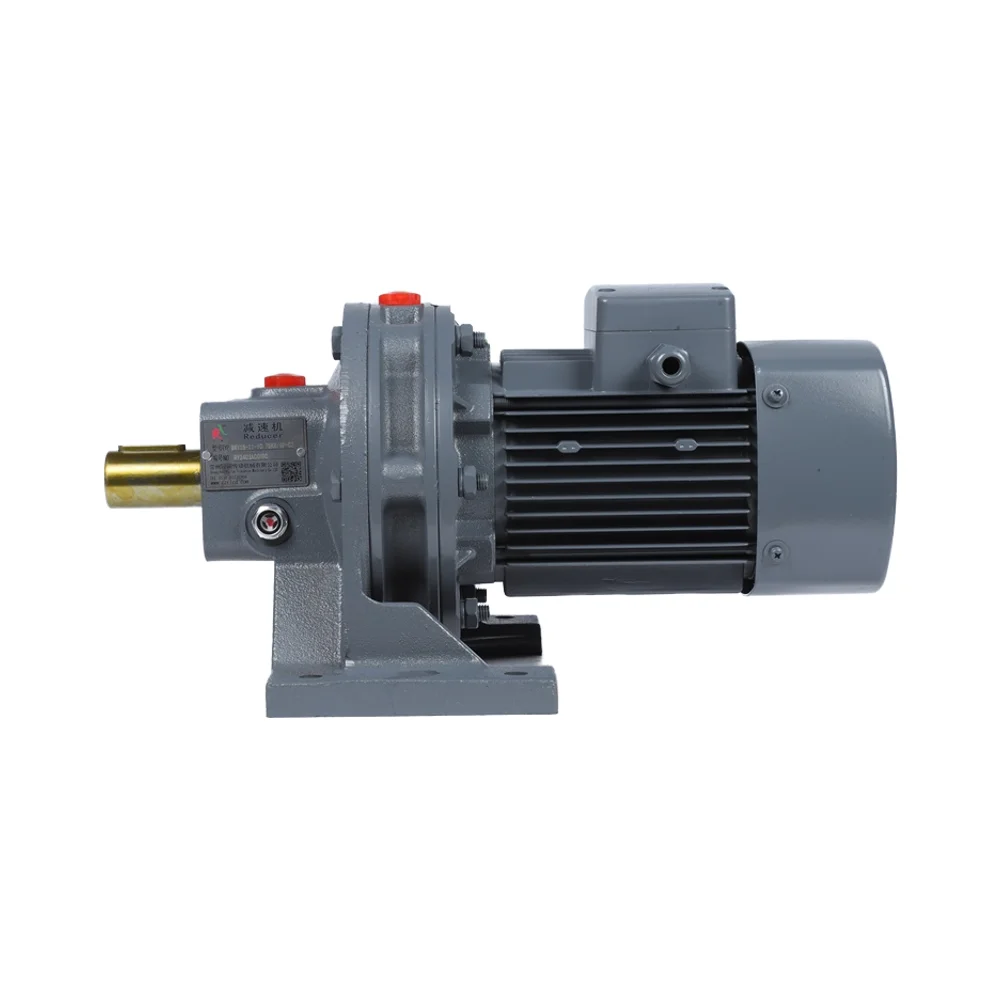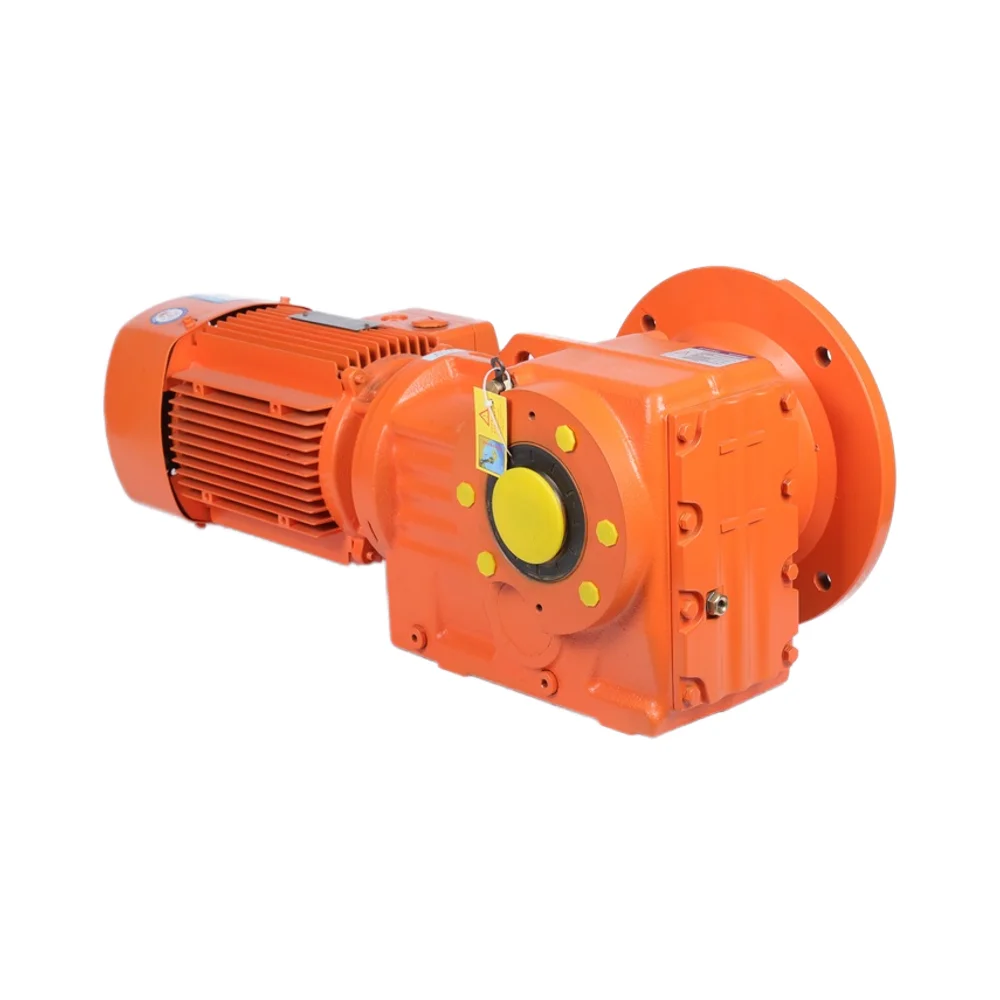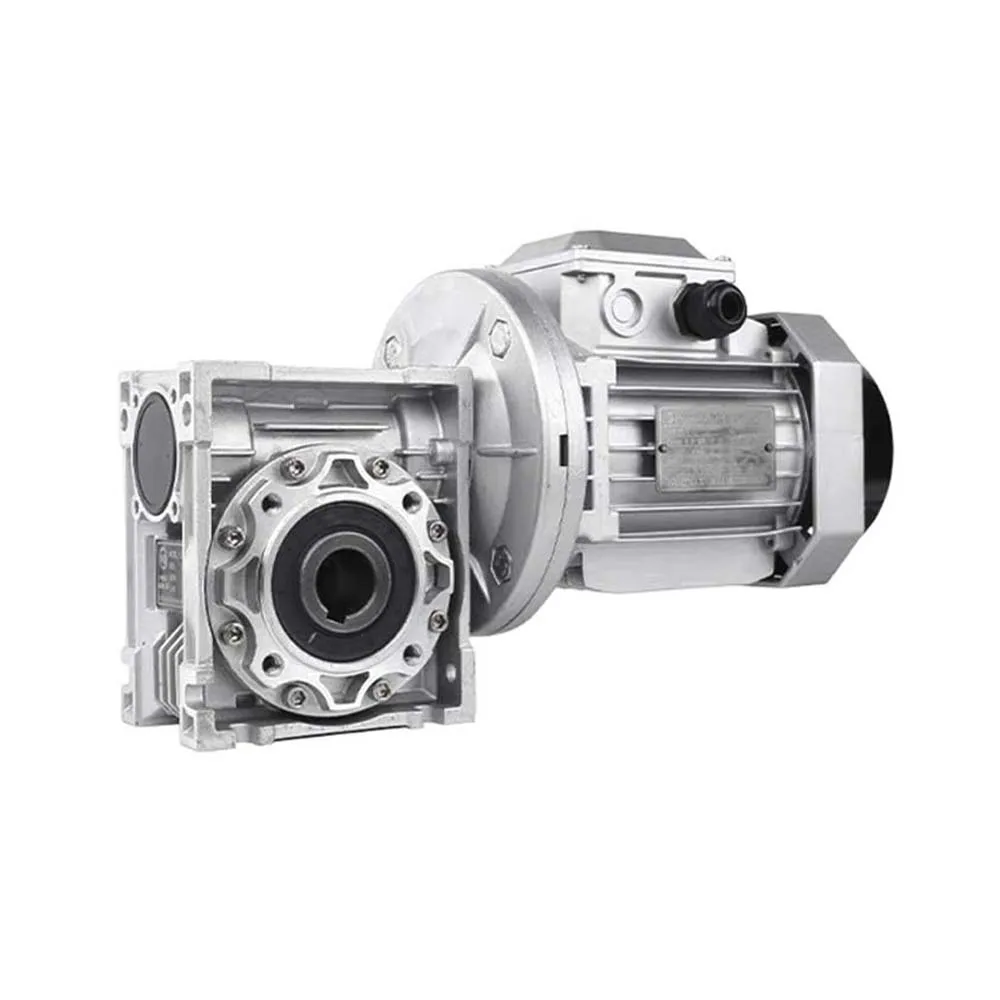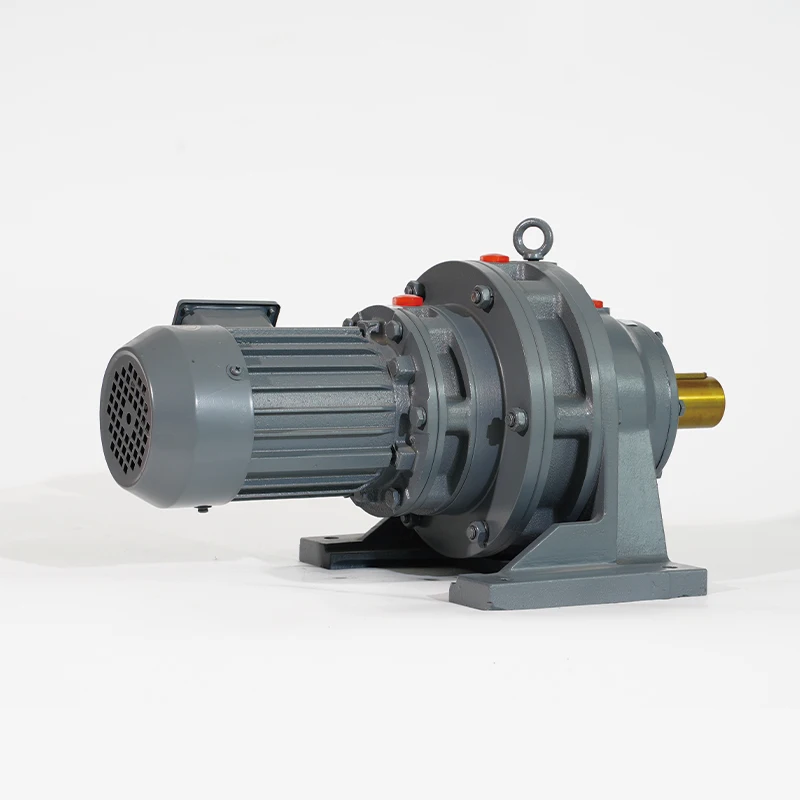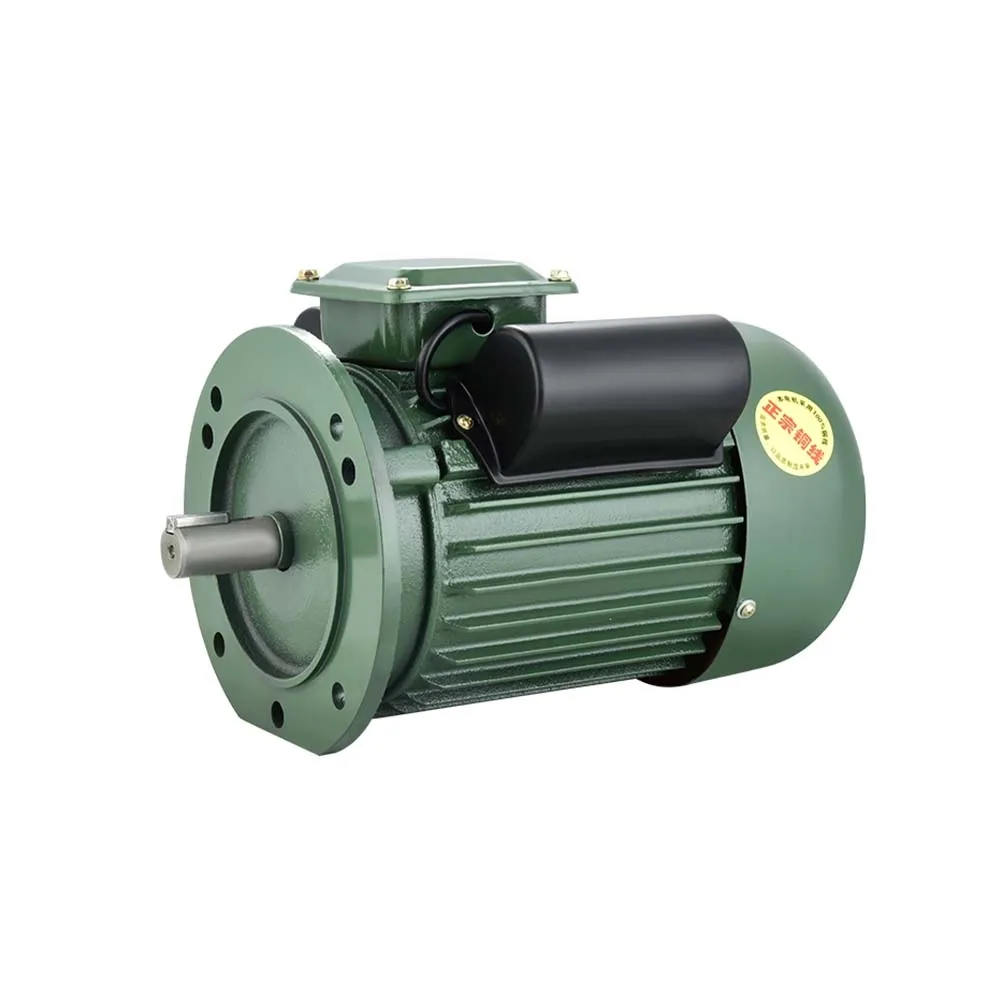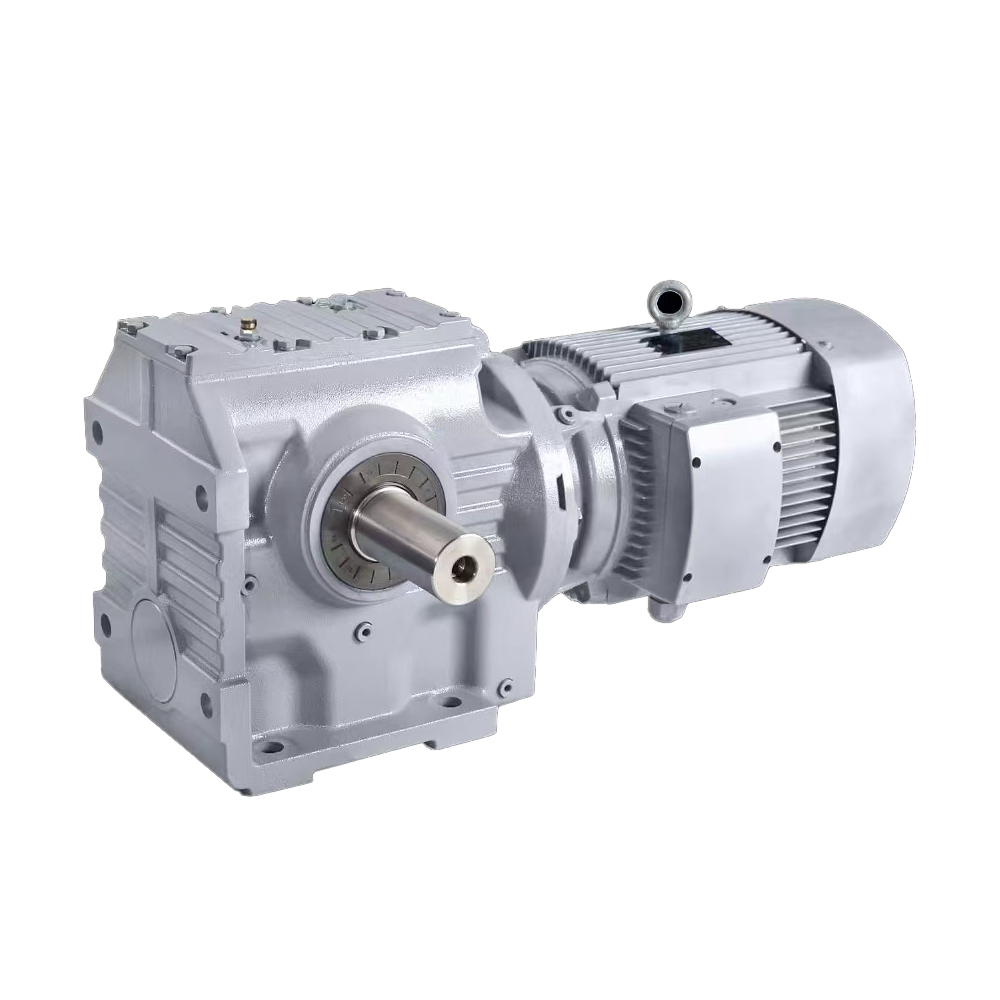
Gearboxes serve as mechanical systems that transmit power between AC motors and whatever machinery they're driving. They work through interconnected gears to pass along rotational force while changing how fast something spins and how much force it delivers based on what's needed for the job. Most AC motors run pretty fast, somewhere between 1800 and 3600 revolutions per minute, so gearboxes become necessary when we need slower speeds for things like conveyor belts or robot limbs that usually operate under 200 RPM. When installed correctly, these systems can boost torque capabilities threefold over setups where motors drive loads directly according to recent industry findings from Machinery Efficiency Report last year.
Gearboxes serve two primary functions in AC gear motors:
This dual capability allows a single 2 kW AC motor to power diverse applications—from high-torque crushers requiring 30 Nm to high-speed packaging lines running at 1,200 RPM—as demonstrated in a 2024 industrial powertrain study.
Manufacturers enhance performance through three key integration strategies:
| Design Factor | AC Motor Impact | Gearbox Adjustment |
|---|---|---|
| Backlash | <0.5° precision requirements | Helical gear teeth engagement |
| Thermal Expansion | 60-80°C operating temperatures | Oil-impregnated sintered alloys |
| Vibration Frequency | 50-120 Hz motor harmonics | Isolator mounts + reinforced housings |
Well-integrated systems reduce energy waste by 18–22% compared to mismatched components (Energy Star, 2023). This synergy enables AC motors to sustain >94% efficiency even at 20% of rated speed—crucial for variable-speed industrial operations.
AC motor gearboxes convert raw rotational energy into controlled mechanical output via precision gear trains. By adjusting speed and torque through defined ratios, these systems ensure efficient operation across varying load conditions.
The foundation of every AC gear motor is electromagnetic induction: alternating current in the stator generates a rotating magnetic field, inducing currents in the rotor to produce motion. Modern AC gearmotors use squirrel-cage rotors made of aluminum or copper, eliminating brushes for maintenance-free performance. Key components include:
For more on this process, see detailed explanations of AC induction motor principles.
Effective power transfer relies on three synchronized interfaces:
Input Shaft Coupling
Precision connections minimize slippage and power loss during torque transmission
Gear Meshing Dynamics
Helical or planetary gears progressively reduce speed while increasing torque
Output Shaft Integration
Hardened steel shafts deliver conditioned power to pumps, conveyors, and machinery
When properly aligned, premium gearmotors maintain efficiency above 92%, significantly reducing vibration and heat buildup.
Speed regulation occurs through calculated gear reductions:
| Gear Ratio | Speed Reduction | Torque Multiplication |
|---|---|---|
| 5:1 | 80% | 4.5x |
| 10:1 | 90% | 9x |
| 20:1 | 95% | 18x |
Higher ratios enable precise motion control in automation but add mechanical complexity. Engineers select ratios based on application demands to balance performance, longevity, and energy use.
Gear ratios are central to tailoring motor output for specific tasks. By altering the relationship between input and output gears, gearbox drive systems optimize performance across industries.
When gears change their ratios, they basically take what little spinning power they have and turn it into something stronger but slower. Take a 10 to 1 ratio for example. If the motor puts out around 50 Newton meters of torque, after going through those gears, we're looking at roughly 500 Nm coming out the other end. That kind of punch is exactly what's needed to get those big conveyor belts moving or lift heavy loads without breaking a sweat. The way these ratios work against each other makes all the difference when dealing with tough jobs that require serious muscle. Now, if someone wants even more torque, they can stack multiple gear stages together. But here's the catch: every extra set adds some resistance along the way. So while we gain strength, we lose just a bit of efficiency in the process. It's always this delicate balance between getting enough power and keeping things running smoothly.
Multi-stage reduction gears allow precise speed regulation. A motor spinning at 1,750 RPM delivers just 175 RPM with a 10:1 ratio—ideal for assembly lines needing consistent cycle times. Helical gears are often used to reduce noise during high-speed reductions, offering quieter operation without sacrificing velocity accuracy.
When talking about gear ratios, higher numbers generally mean more torque output while lower ratios tend to focus on speed instead. Take a 5 to 1 ratio for example it basically multiplies the torque five times over but brings down the speed by around 80 percent give or take. The tradeoff gets worse though when we look at efficiency. As the ratio goes up, so does the loss of efficiency. For instance, a planetary gearbox with a 20 to 1 ratio will run somewhere between 8 and 12 percentage points less efficiently compared to a standard 5 to 1 spur gear setup. Getting the right ratio really depends on what the machine needs to do. Most packaging machines work well with ratios between 3 to 1 and 8 to 1. But heavy duty stuff like mining equipment often needs much higher ratios, sometimes 15 to 1 or even more depending on the job requirements.
Modern gearboxes achieve 94–98% mechanical efficiency under ideal conditions, though design choices directly affect losses. Helical and planetary configurations outperform worm gears by 15–30% due to superior load distribution and reduced friction (2024 Mechanical Efficiency Report). Critical factors include:
Thermal imaging shows 65% of energy losses manifest as heat, underscoring the need for effective cooling in high-torque systems. Regular maintenance restores up to 92% of initial efficiency in worn units.
While higher ratios multiply torque, they come with diminishing returns. Consider this comparison:
| Reduction Ratio | Torque Output (Nm) | Efficiency Range | Ideal Use Case |
|---|---|---|---|
| 5:1 | 120–150 | 94–97% | Conveyor systems |
| 20:1 | 450–500 | 85–89% | Heavy machinery |
| 100:1 | 1,800–2,000 | 72–78% | Mining equipment |
Studies show that using a 15:1 instead of a 30:1 ratio in industrial pumps reduces energy consumption by 11% while delivering 90% of required torque (Gearbox Optimization Studies). Oversized gearboxes waste 6–9% more energy than properly matched units, emphasizing the importance of right-sizing for optimal performance.
 Hot News
Copyright © 2025 by Changwei Transmission (Jiangsu) Co., Ltd — Privacy Policy

 EN
EN