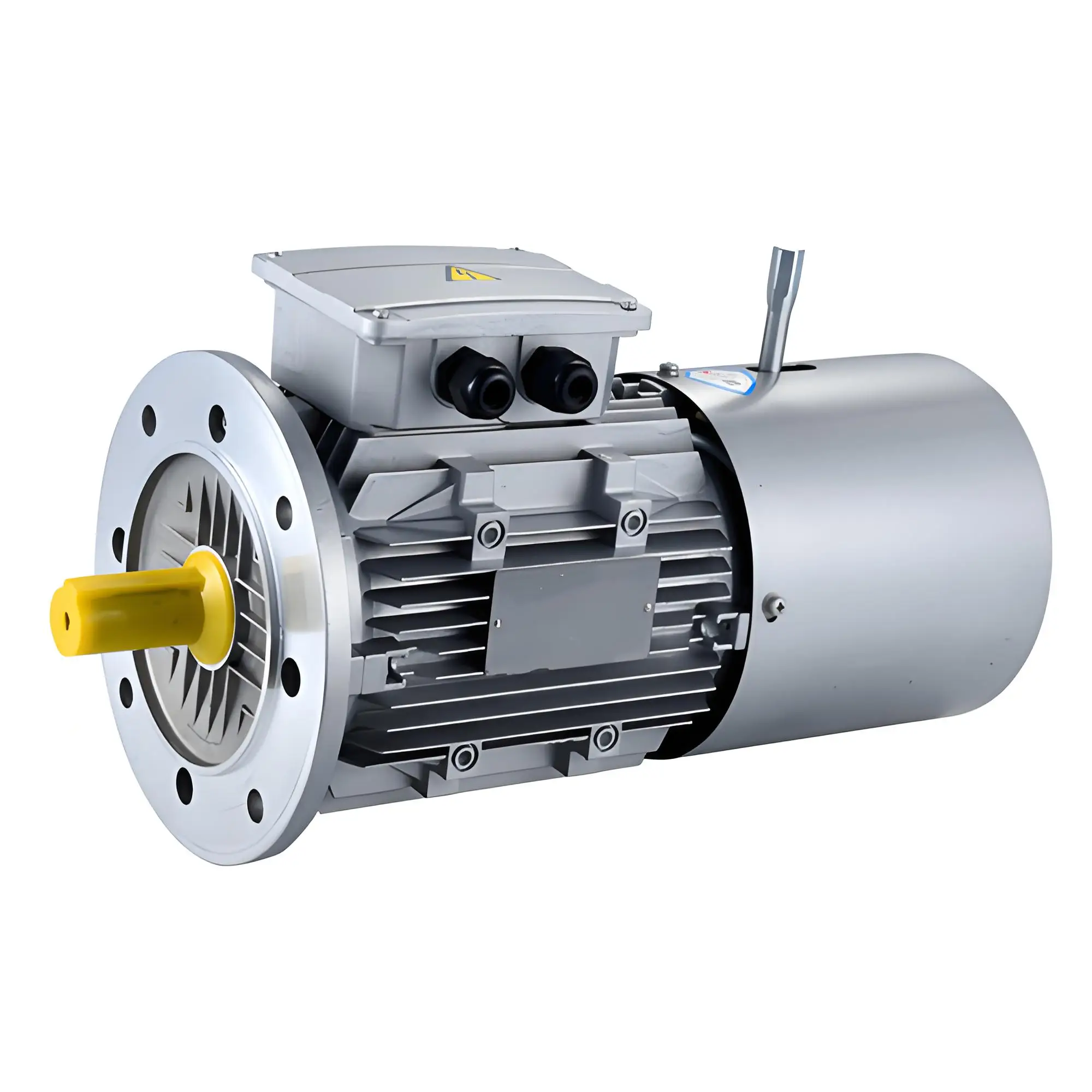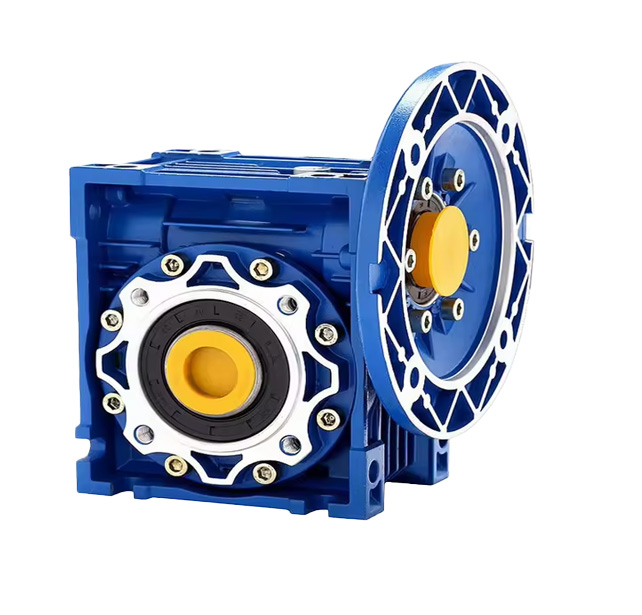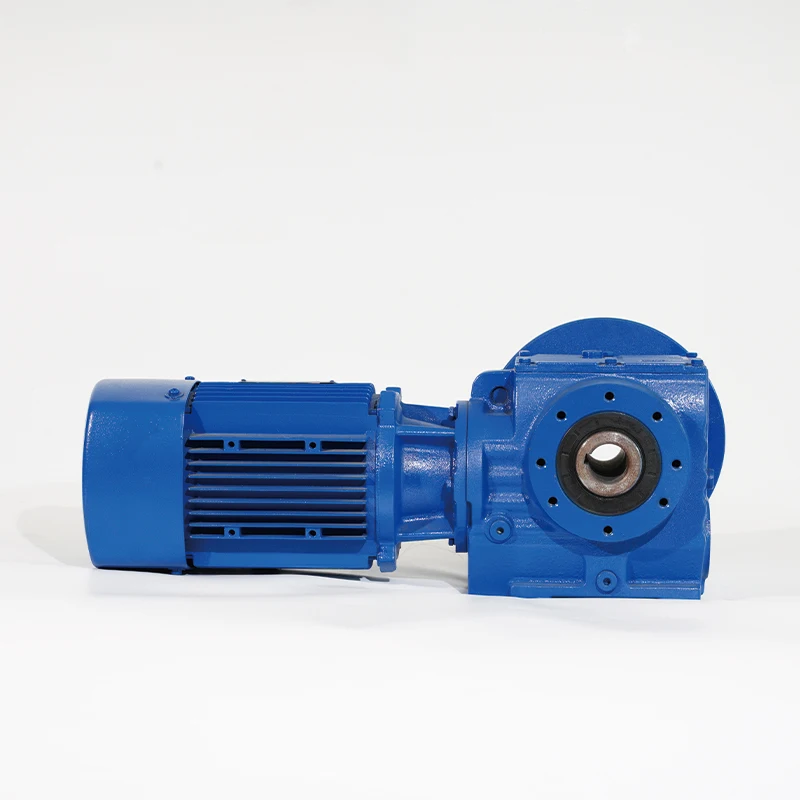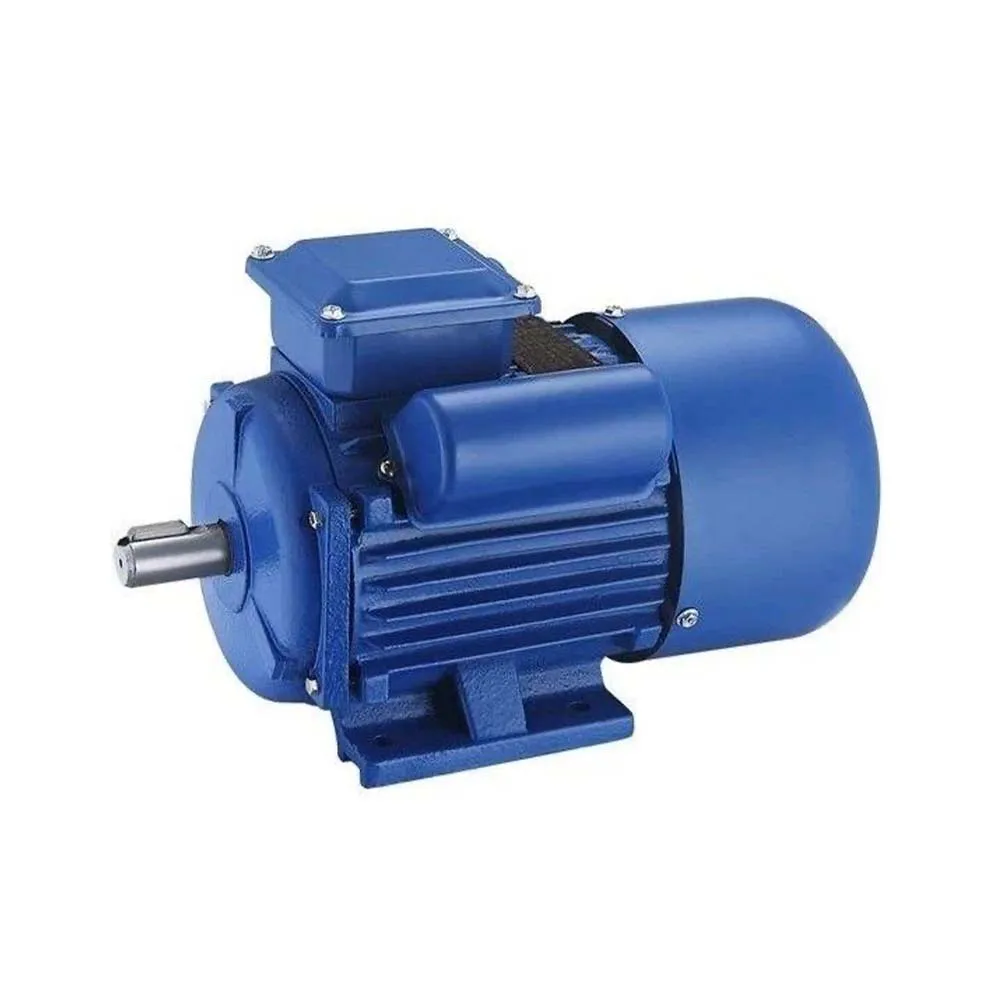
शीर्ष गियरबक्स निर्माताहरूले आफ्नो उत्पादन प्रक्रियालाई कडाईका साथ नियन्त्रणमा राख्न ISO 9001:2015 गुणस्तर प्रणाली अपनाएका छन्। यी प्रणालीहरू गियरको शुद्धताका लागि AGMA 2000-A88 मानकहरूसँग हातेमालो गर्छन्, जसले गर्दा गियरहरू संगत दाँतको प्रोफाइल, न्यूनतम पिच विचलन र स्वीकार्य रनआउट मापनका साथ निरन्तर उत्पादित हुन्छन्। जब कम्पनीहरूले यी मानकहरू पालन गर्छन्, तब प्रमाणीकरण नभएका कारखानाहरूको तुलनामा आयामी फरकमा लगभग दुई तिहाईको घटत हुन्छ। यो महत्त्वपूर्ण छ किनभने यसले एक ब्याचबाट अर्कोमा टोर्क स्थानान्तरण भविष्यवाणी योग्य बनाउँछ। यस्तो सटीकतालाई बनाए राख्न, अधिकांश निर्माताहरू हबिङ र ताप उपचार चरण जस्ता संक्रियाको समयमा सांख्यिकीय प्रक्रिया नियन्त्रण तकनीकहरूमा भर पर्छन्।
यथार्थता निश्चित गर्नु भनेको केवल गियरका दाँतहरू ठीकसँग जम्मा हुनु मात्र होइन। सम्पूर्ण एसेम्बली पनि ठीक हुनुपर्छ। जब समकेन्द्रिकता 0.01 मिमी को सीमा भित्र रहन्छ, तब बेयरिङहरू खराब हुँदैनन्। र यदि शाफ्ट रनआउट 0.005 मिमी भन्दा तल रहन्छ भने, समयको साथ साथै कम्पनले चीजहरू घिस्ने सम्भावना कम हुन्छ। मोटर प्लेटहरू पनि कत्तिको सपाट हुनुपर्छ भने, प्रति मिटरमा लगभग 0.02 मिमी, अन्यथा माउन्ट गर्दा धेरै तनाव उत्पन्न हुन्छ जसले गर्दा सीलहरू असफल हुने मुख्य कारणहरूमध्ये एक हो। उद्योग अनुसन्धानले यी कडा सहनशीलताहरूले उपकरण स्थापना गरेपछि पछि आउने समस्याहरूको 90% सम्म रोक्न सक्छ भनी देखाउँछ। अधिकांश गुणस्तरीय निर्माताहरूले कुनै पनि चीज कारखानाबाट बाहिर निस्कनु अघि लेजर संरेखण उपकरणहरू र समन्वय मापन मेसिनहरू प्रयोग गरेर सबै कुरा जाँच गर्छन्।
सहनशीलतामा भएको सानो परिवर्तनले पनि अन्ततः ठूलो समस्या सिर्जना गर्न सक्छ। यसरी सोच्नुहोस्: AGMA अनुसन्धान कागजात 08FTM12 का अनुसार, एकल मानिसको केशको चौडाइको लगभग 1/20 बराबरको सानो भिन्नता (प्लस वा माइनस 0.005 मिमी) ले प्रारम्भिक घर्षण सम्बन्धी समस्यालाई लगभग आधा सम्म बढाउन सक्छ। जब यस्ता साना विचलनहरू हुन्छन्, तिनीहरूले सतह थकान प्रक्रियाहरूलाई गति दिने बेमेल बलहरू सिर्जना गर्छन्। यसको व्यावहारिक अर्थ के हो? धेरै पिटिङ, स्पालिङ क्षति, र अन्ततः पूर्ण प्रणाली असफलता। यी नम्बरहरूले पनि यसलाई समर्थन गर्छन्। AGMA क्लास 12 मानकहरू अनुसार निर्माण गरिएका गियरबक्सहरू आवश्यकताहरू मात्र पूरा गर्ने तीहरूको तुलनामा खराबीको बीचमा उल्लेखनीय रूपमा लामो समयसम्म टिक्छन्। हामी खराबीबीचको माध्य समयमा लगभग 31% सुधारको कुरा गर्दैछौं। स्मार्ट उत्पादकहरूले यो कुरा जान्दछन् र 5 माइक्रोनभन्दा कम स्तरमा संकेन्द्रता जाँच गर्न लेजर-संरेखण गरिएको समन्वय मापन मेसिन जस्ता उन्नत उपकरणहरूमा लगानी गर्छन्। यस स्तरको शुद्धता प्राप्त गर्नु आवश्यक छ किनभने यसले 100,000 घण्टाको महत्वाकांक्षी सेवा जीवनको लक्ष्य प्राप्त गर्न र अप्रत्याशित मर्मतसम्भार घटाउन मद्दत गर्छ। र आइए स्वीकार गरौं, विभिन्न औद्योगिक क्षेत्रहरूमा प्रत्येक घण्टा बर्बाद हुँदा लगभग $260,000 को नोक्सानी हुन्छ, त्यसैले कसैले पनि आफ्नो कार्यसञ्चालन अवरुद्ध हुन चाहँदैनन्।
समुद्री अवस्थामा काम गर्दा, कत्तिको समयसम्म चल्छ भन्ने कुरामा उचित सामग्री छान्नु धेरै महत्वपूर्ण हुन्छ। ASTM B117 मापदण्ड अनुसार गरिएको परीक्षणले नियमित स्टेनलेस स्टीलको तुलनामा नाइट्राइडेड 42CrMo4 को बारेमा केही रोचक तथ्यहरू देखाउँछ। यो सामग्रीले यस्ता कठोर वातावरणमा लगभग तीन गुणा लामो समयसम्म टिक्छ। नाइट्राइडिङ्गको समयमा के हुन्छ भने? यसले १००० HV वा त्यसभन्दा बढी कठोरताको सतही तह सिर्जना गर्छ। यसले घटकहरूलाई नुहाउने पानीको संपर्कबाट बन्ने झुरिहरूको प्रतिरोध क्षमता धेरै बढी बनाउँछ र समुद्री गादले गर्दा हुने घर्षणको प्रति पनि राम्रो प्रतिरोध गर्छ। स्टेनलेस स्टीलले निश्चित रूपमा क्षयनको विरुद्धमा प्रतिरोध गर्छ, तर यसको सतही कठोरता १५० देखि २०० HV को बीचमा मात्र हुन्छ, त्यसैले लगातार यांत्रिक बलको अधीनमा यो छिटो घिसिन्छ। यी उन्नत मिश्र धातुहरू निर्दिष्ट गर्ने गियरबक्स निर्माताहरूले समयको साथै पैसा बचत गर्छन् किनभने उनीहरूलाई कम बार रखरखावको आवश्यकता पर्छ। र सामना गरौं, तटरेखाको बाहिरको कार्यसम्पादनले उपकरण असफल हुन सक्दैन। त्यसैले धेरै कम्पनीहरूले उच्च प्रारम्भिक लागतको बाबजुद यसलाई एउटा बुद्धिमत्तापूर्ण दीर्घकालीन लगानीको रूपमा देख्छन्।
२०,००० घण्टाभन्दा बढीको लागि गियरबक्सहरूको परीक्षणले मानक प्रमाणीकरणले आवश्यकता राखेको भन्दा धेरै अगाडि बढ्छ। २०२३ मा AGMA बाट आएको नयाँतम डाटाले वास्तवमै केही आश्चर्यजनक देखाउँछ। यस लामो समयसम्मको परीक्षणबाट गुज्रने गियरबक्सहरूलाई वास्तविक औद्योगिक वातावरणमा राख्दा खराबी बीचको माध्य समयमा लगभग ३५ प्रतिशत सुधार हुन्छ। यो परीक्षणलाई यति मूल्यवान बनाउने कुरा यो हो कि यसले यी यन्त्रहरूले कार्यकालको कतिपय वर्षमा अनुभव गर्ने अवस्थाहरूको अनुकरण गर्छ। यसले धातुको थकानका प्रतिरूपहरू र सामान्य जाँचहरूले पकड्न नसक्ने स्नेहनका समस्याहरू जस्ता चीजहरू उजागर गर्छ। जब निर्माताहरूले यी सम्भावित समस्याहरूलाई वास्तविक समस्या बन्नुअघि नै पत्ता लगाउँछन्, तब उनीहरूले डिजाइनका कमजोरीहरूलाई अगाडि बढेर समाधान गर्न सक्छन्। यस प्रकारको प्रावधान दृष्टिकोणले खनन संचालन र बिजुली उत्पादन सुविधाहरू जस्ता क्षेत्रहरूमा जहाँ विश्वसनीयताको महत्त्व हुन्छ, अप्रत्याशित उपकरण बन्द हुने समस्यालाई लगभग ४० प्रतिशतले कम गर्छ।
प्रमाणपत्र हात परेको मात्रैले वास्तविक जीवनमा यसको प्रयोग गर्दा केही काम चल्ने भएको हुँदैन। उदाहरणका लागि AGMA को हालैको 2023 को परीक्षण लिनुहोस्, जहाँ उनीहरूले प्रमाणित औद्योगिक गियरबक्सहरूमा 82 प्रतिशत समेट्टा आफ्नो निर्धारित लोडको मात्र 1.2 गुणा झेल्न सक्ने अवस्थामा पनि बिग्रिएको पाए। यसले देखाउँछ कि कागजी विशेषताहरू र वास्तविक प्रदर्शनको बीचमा गम्भीर खाडल छ। गियरका दाँतहरूको डिजाइन, बेयरिङहरूले तनाव कति राम्रोसँग झेल्न सक्छन् र घरहरूले दबाबमा दृढ रहन्छन् कि छैनन् जस्ता ठाउँहरूमा समस्याहरू लुकेका हुन्छन्। यी समस्याहरू सामान्यतया समयको साथ सानो धातु थकान बढ्दै जाने वा संचालनको बेला अप्रत्याशित झुकाव जस्ता कुराहरूबाट आउँछन्। यो कुरा बुझ्ने उत्पादकहरूले आधारभूत प्रमाणीकरण आवश्यकताहरूभन्दा बढी जान्छन्। उनीहरूले टोर्कमा साइटमा भए जस्तै भिन्नता आउने गरी सिमुलेसन चलाउँछन्, जुन विशेष गरी क्रेन वा ब्लेडको कोण समायोजन गर्ने पवन टर्बाइन जस्ता भारी उपकरणहरूका लागि महत्त्वपूर्ण हुन्छ। जब कम्पनीहरूले यी अतिरिक्त चरणहरू अपनाउँछन्, तिनीहरूले क्षेत्रमा कम ब्रेकडाउन र मानक परीक्षणमा मात्र निर्भर गर्ने तुलनामा लगभग आधा वारेन्टी गुनासोहरू देख्छन्। यो दृष्टिकोणले विश्वास निर्माण गर्छ, किनभने उत्पादनहरूले मानकहरू पूरा गर्छन् र ग्राहकहरूलाई तिनीहरूको आवश्यकता पर्ने बेलामा वास्तवमै काम गर्छन्।
 ताजा समाचार
 कॉपीराइट © 2025 चांगवेई ट्रान्समिशन (जियांगसु) कं, लिमिटेडको हक सुरक्षित छ — गोपनीयता नीति
 EN
EN