

 EN
EN
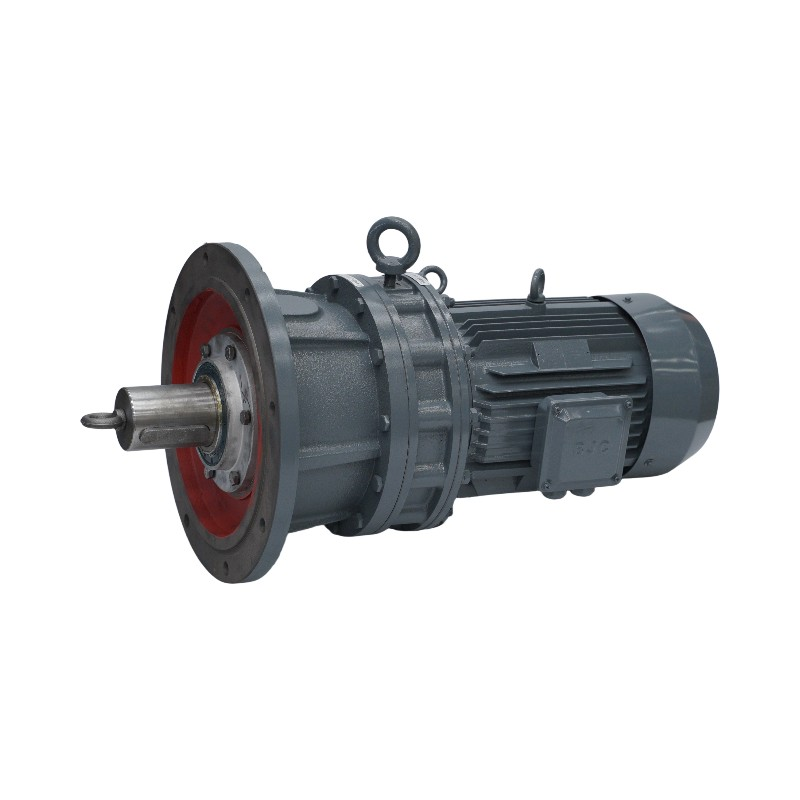
High Torque Density and Compact Design for Space-Constrained Robotic Joints
Torque density comparison: cycloidal vs. harmonic and planetary reducers in joint modules
Cycloidal reducers pack a real punch when it comes to torque density, typically hitting around 5 Nm per cubic centimeter or better. These compact units measure under 80mm in diameter and beat planetary reducers by roughly 40 to 60 percent in terms of torque per volume ratio according to industry standards. Harmonic drives manage similar size advantages but come at a price premium. Their manufacturing process is complicated and materials are expensive, driving up costs by about 30 to 50 percent for the same amount of torque. When looking at planetary gear systems, they just can't keep up with the competition once we get down to diameters under 100mm because of those multi stage gearing issues. The real world benefit? Robotic joints built with cycloidal technology can handle sudden shock loads that exceed their normal capacity by over five times. This matters a lot for collaborative robots working alongside people where unexpected forces are part of daily operations.
| Reducer Type | Torque Density | Backlash | Size Compatibility |
|---|---|---|---|
| Cycloidal | ≥5 N·m/cm³ | <0.01° | ≤80mm diameter |
| Harmonic Drive | 4–5 N·m/cm³ | <0.01° | Limited by flex spline |
| Planetary Gear | 3–4 N·m/cm³ | 0.03°–0.2° | ≥120mm diameter |
Source: CNC Proto Labs' 2024 analysis of industrial robotic joint requirements
Enabling ultra-thin wrists and modular actuators through high-ratio, low-profile reduction
Cycloidal reducers with their slim axial profile (less than 50mm) can fit right into those seven-axis robotic wrists where regular reducers take up almost twice as much room. The compact size means these reducers handle single stage reductions all the way up to 1:100, cutting out those extra gears that waste energy in things like AGVs and even delicate surgical robots. Big name manufacturers have seen around 25% lighter actuators when using this technology, and they still meet those strict ISO/TS 15066 standards for force limits. Plus, the solid one-piece housing stands up to serious wear and tear, staying intact even after tens of thousands of operating hours without bending or breaking down.
Near-Zero Backlash and Exceptional Positioning Precision for Demanding Automation Tasks
How cycloidal reducer architecture achieves <±5 arcsec repeatability in precision assembly
What makes cycloidal reducers stand out is their ability to maintain extremely accurate positioning thanks to how they work. Unlike regular gears that only engage one tooth at a time, these reducers keep several teeth in contact simultaneously between pins and lobes throughout operation. This clever mechanical design virtually eliminates backlash right from the start. The result? Repeatability down to about 5 arc seconds, which matters a lot when assembling sensitive electronic components or medical devices where tiny misalignments can cause big problems. Because the load gets spread across multiple contact points rather than concentrated on single areas, there's much less deflection during operation. This means machines stay stable even after running for millions of cycles without needing constant adjustments or complex software fixes to compensate for mechanical errors.
Dynamic reversal performance: stable torque transmission and simplified servo tuning for haptic and collaborative applications
Cycloidal reducers play a key role in collaborative robotics and haptic systems because they allow for immediate torque reversal without any loss of motion. The design has practically no backlash, which means forces get transmitted consistently even when directions change suddenly. This is really important for keeping interactions between humans and robots safe. Plus it cuts down on how much time engineers spend fine-tuning servos by around 40 percent according to industry data. When manufacturers incorporate these components into their systems, they naturally comply with ISO/TS 15066 standards for force control during collaborative operations such as inserting small parts precisely. What makes them stand out is their ability to react within fractions of a millisecond to unexpected disruptions, making the whole process safer while also allowing smoother operation overall.
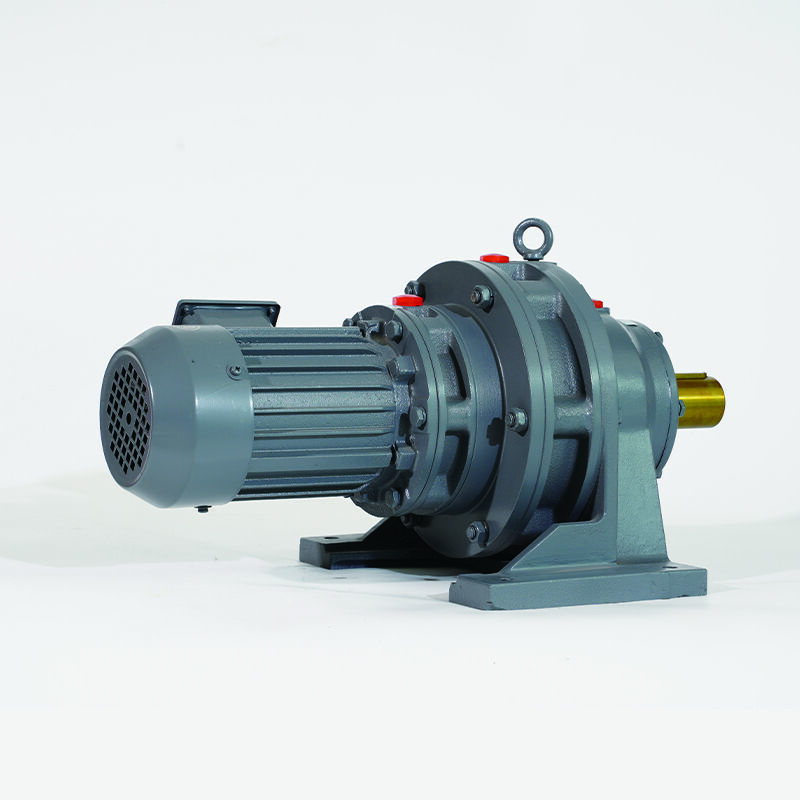
Superior Shock Load Resistance and Reliable Degradation Behavior in Mission-Critical Environments
Empirical shock resilience: ISO/TS 15066-compliant performance in collaborative and industrial robot arms
Cycloidal reducers are really good at absorbing shocks and they support the ISO/TS 15066 safety standards for collaborative robots. The way these reducers are built with rolling elements spreads out impact forces over several teeth, so they can handle pretty intense loads that go way beyond their normal capacity sometimes even three times what they're rated for. Harmonic drives tend to fail all at once when hit hard, but cycloidal units show wear slowly and predictably. This means maintenance teams can plan ahead instead of dealing with unexpected breakdowns which cuts down on downtime around 45% in car factories according to some studies. Because of this gradual wear pattern, torque stays consistent even after many shock events. That's why these reducers have become essential in industries like aerospace where parts need careful handling, and also in medical device production where there are tight limits on how much force can be applied to delicate components.
High Torsional Stiffness and Fast Dynamic Response for Agile, High-Bandwidth Motion Control
What makes cycloidal reducers stand out is their incredible torsional stiffness, which can go well beyond 200,000 Nm per radian thanks to how they spread forces across several contact points at once. This kind of rigidity means there's almost no angular deflection when dealing with sudden load changes, so positions stay accurate even during fast movements. When paired with practically zero backlash, these reducers can handle control frequencies above 100 Hz and settle down within just 10 milliseconds after quick directional shifts. That's why they're so valuable for applications where speed matters, such as in electronics manufacturing lines and packaging systems. Plus, because torque gets transmitted right away, setting up servos becomes much simpler. The system stays stable regardless of what kind of payload it's handling, avoiding those annoying oscillations or overshooting problems that plague other systems.
Table of Contents
- High Torque Density and Compact Design for Space-Constrained Robotic Joints
- Near-Zero Backlash and Exceptional Positioning Precision for Demanding Automation Tasks
- Superior Shock Load Resistance and Reliable Degradation Behavior in Mission-Critical Environments
- High Torsional Stiffness and Fast Dynamic Response for Agile, High-Bandwidth Motion Control